


Assisted Stretching in Kailua
Assisted stretching and mobility work on Oʻahu.
Assisted Stretching & Mobility | Sthira Sukham Asanam (steady + easeful)
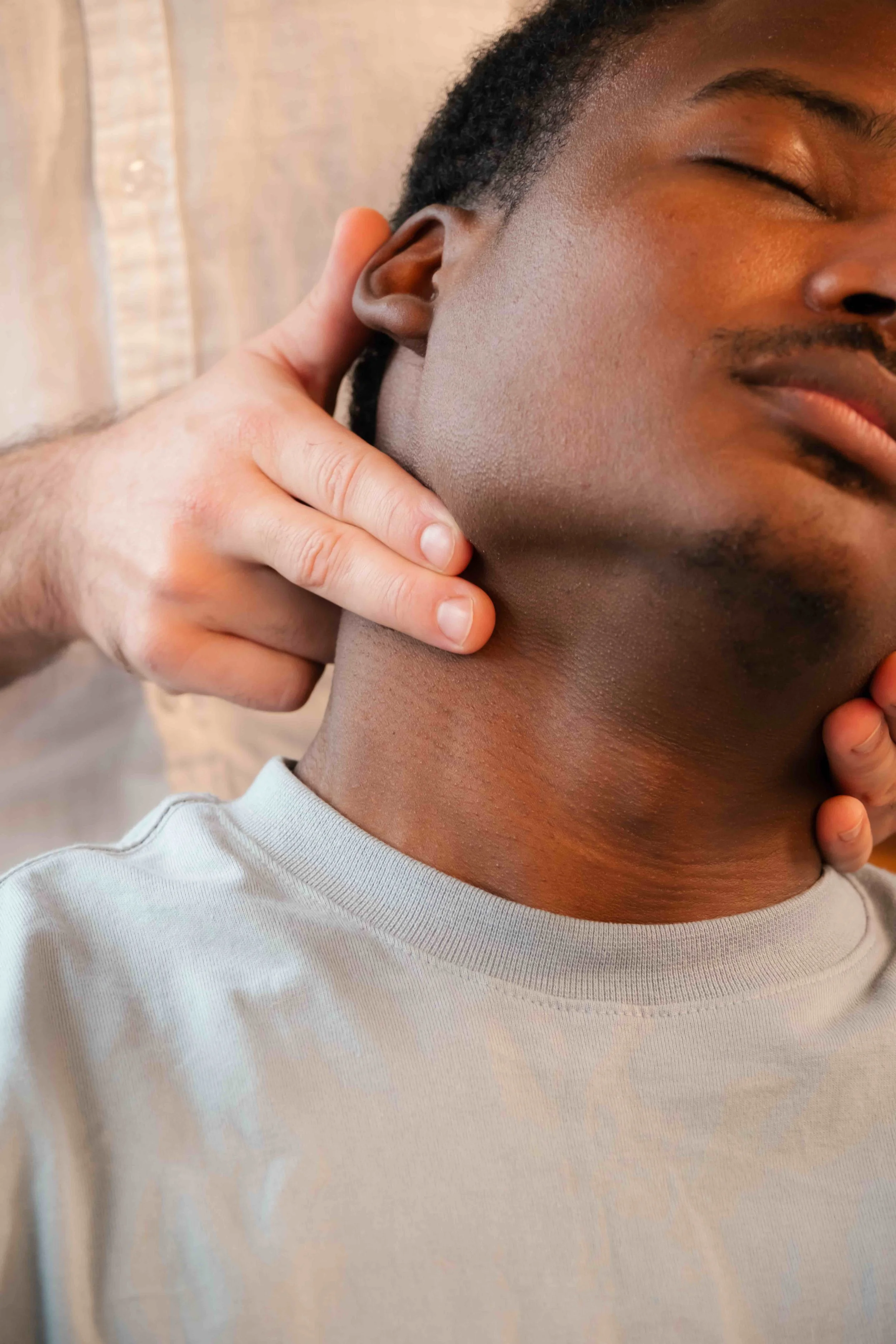
Ask the clinic about assisted stretching, session length, pricing, and availability before booking.
Assisted stretching and mobility is a hands on, therapist guided session designed to help your joints move more freely and your muscles lengthen without forcing. If you feel stiff, tight, or “locked up,” we work with your current range of motion and your nervous system, then gradually invite more space through breath led stretching, gentle joint mobilization, and supported movement patterns.
A lot of “tightness” is not just short tissue. It is protective tone. Long hours sitting, training hard, old injuries, and stress can all teach the body to brace. These sessions are built to reduce that guarding so flexibility improves in a way that actually sticks, and feels safe.
From an Ayurvedic lens, stiffness, dryness, cracking, and irregular tension patterns often point to vata in the joints and connective tissue. Mobility work pairs especially well with warm oil therapies like abhyanga or topical basti when the body needs both circulation and softness, plus better movement mechanics.
Best for: feeling stiff or restricted, hips and low back tightness, shoulder and upper back tension, limited overhead reach, athletic recovery, long hours sitting, postural fatigue, and “I stretch all the time but nothing changes.”
Many people notice a difference immediately in how they stand, breathe, and walk. The body often feels more organized, not just looser.
How Assisted Stretching tends to feel (what clients notice)
Common feedback includes:
• Joints feel smoother, like there is less friction in the movement
• Tight areas soften without the sensation of being forced
• Breath drops lower, ribcage moves more, belly is less braced
• Hips and low back feel less compressed after sitting
• Shoulders sit lower and neck feels longer
• Range of motion increases with less strain
• Movement feels more confident and less guarded for a day or two
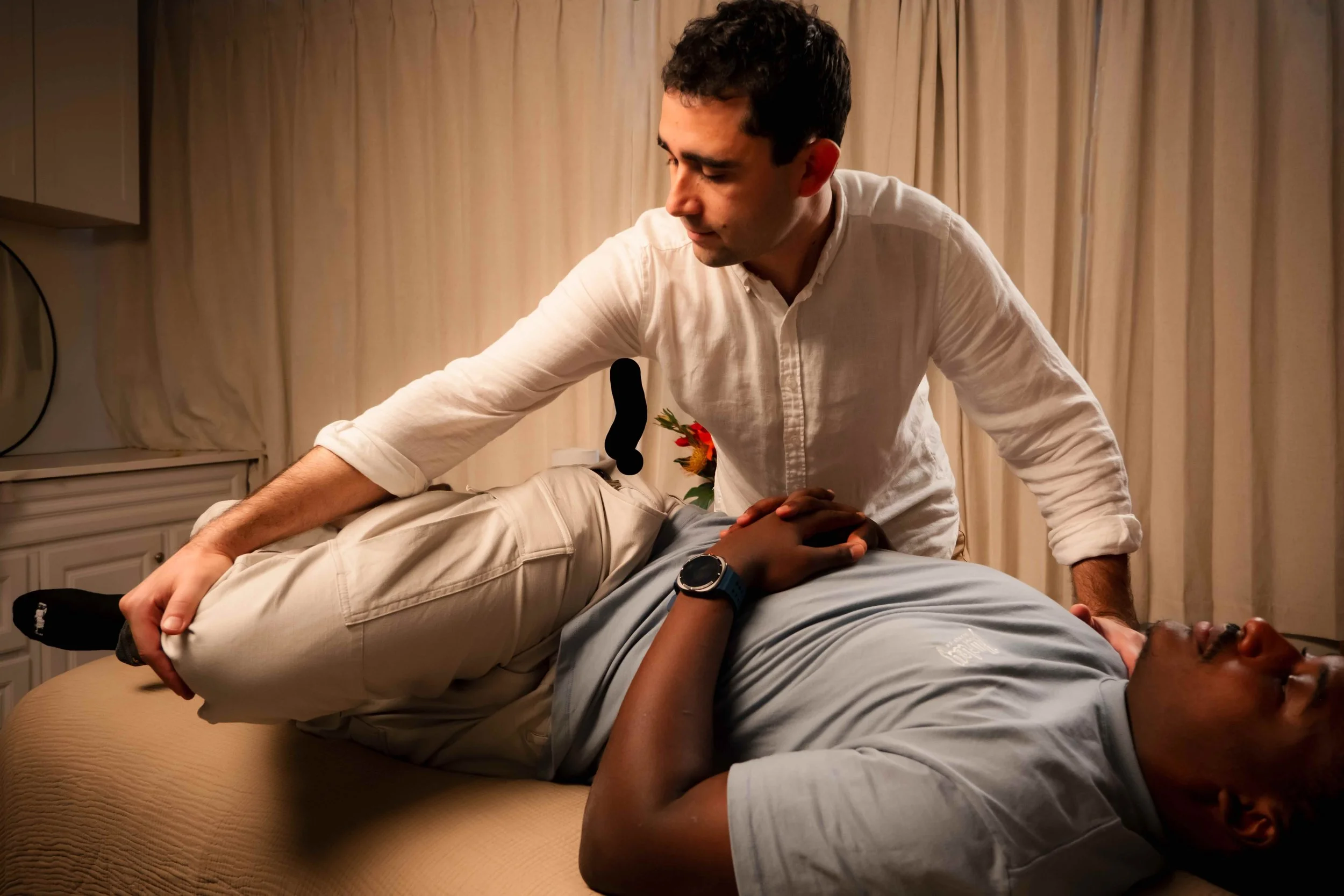
Over time, consistent mobility work tends to create better “usable flexibility.” Not flexibility that only exists when you are warm, already stretched, or pushing hard. More like a steady baseline of comfort that supports your workouts, your desk days, and your sleep.
What Happens: A Session at Ayurveda Wellness Hawaiʻi
Every session is tailored to your body that day. We begin with a brief check in around comfort, consent, boundaries, and what you want to improve. This is a fully clothed session.
Wear comfortable movement friendly clothing. Think yoga clothes, athletic wear, or soft shorts and a tee. If you have a specific goal (hips, hamstrings, shoulders, ankles), let us know. If you are not sure, we will assess and choose a sequence that fits your body.
Step 1
Mobility check + goal setting
We look at the areas that feel restricted and how your body is compensating. Often the “tight spot” is not the only spot that matters, so we track the pattern and pick a clear session goal.
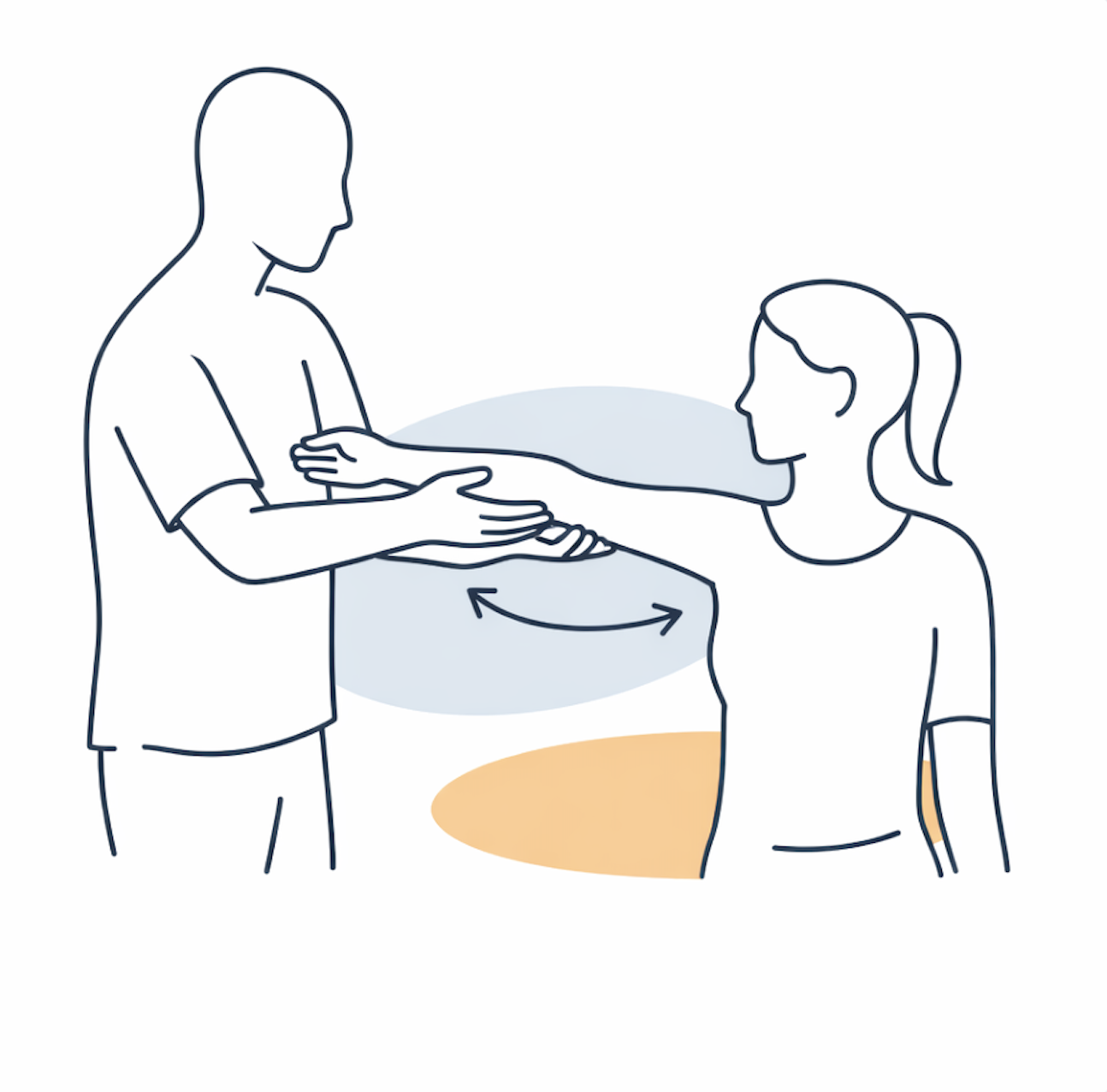
Step 2
Downshift the nervous system
Beginning with supported positions and breath paced work so your system feels secure enough to release. When the nervous system is less vigilant, muscles stop gripping and the body becomes more receptive.
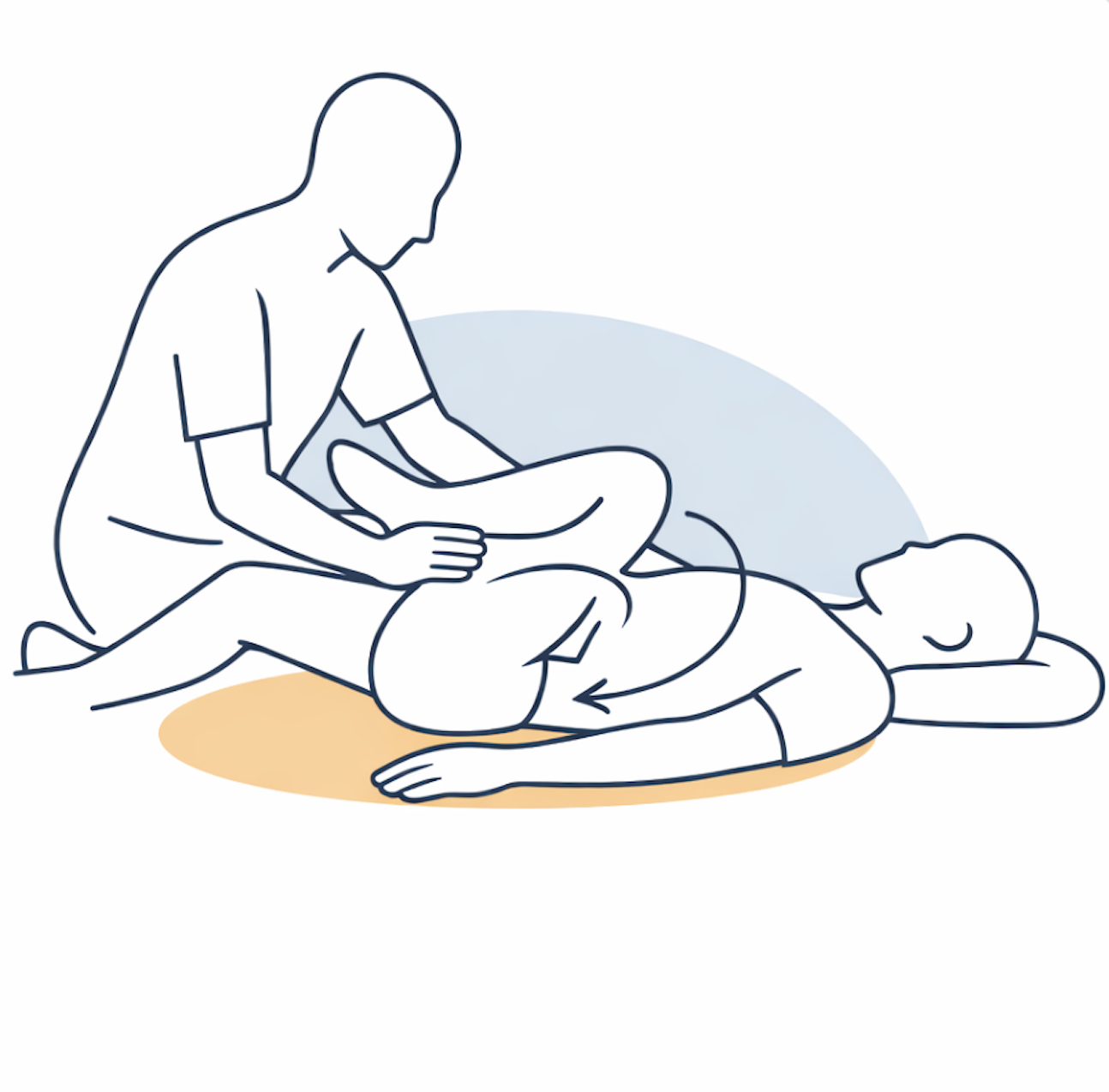
Step 3
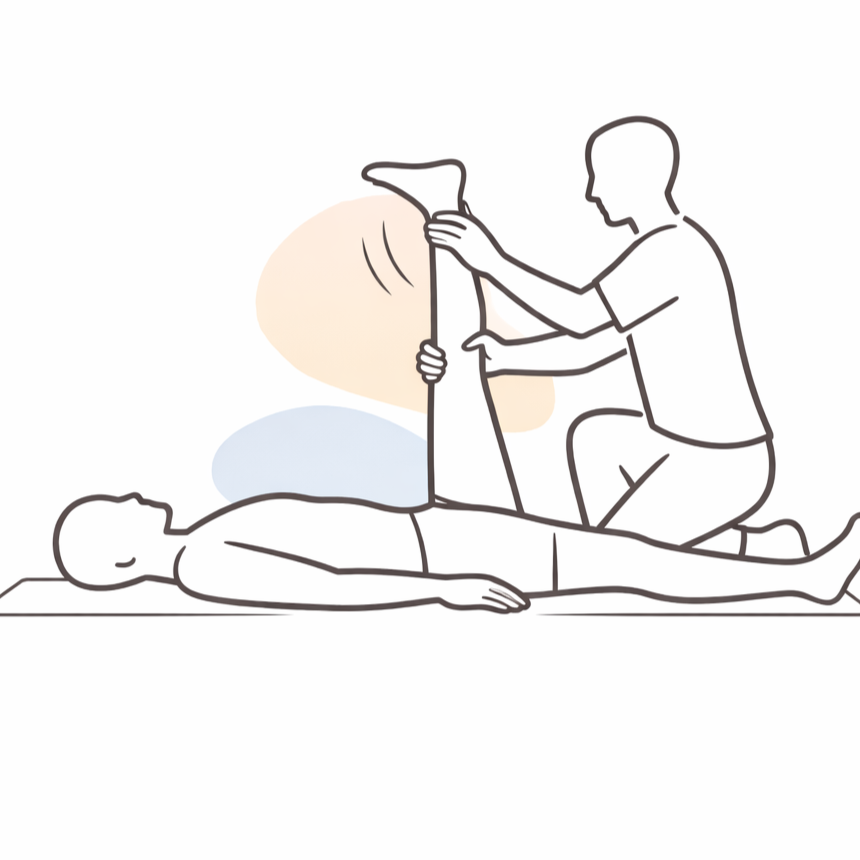
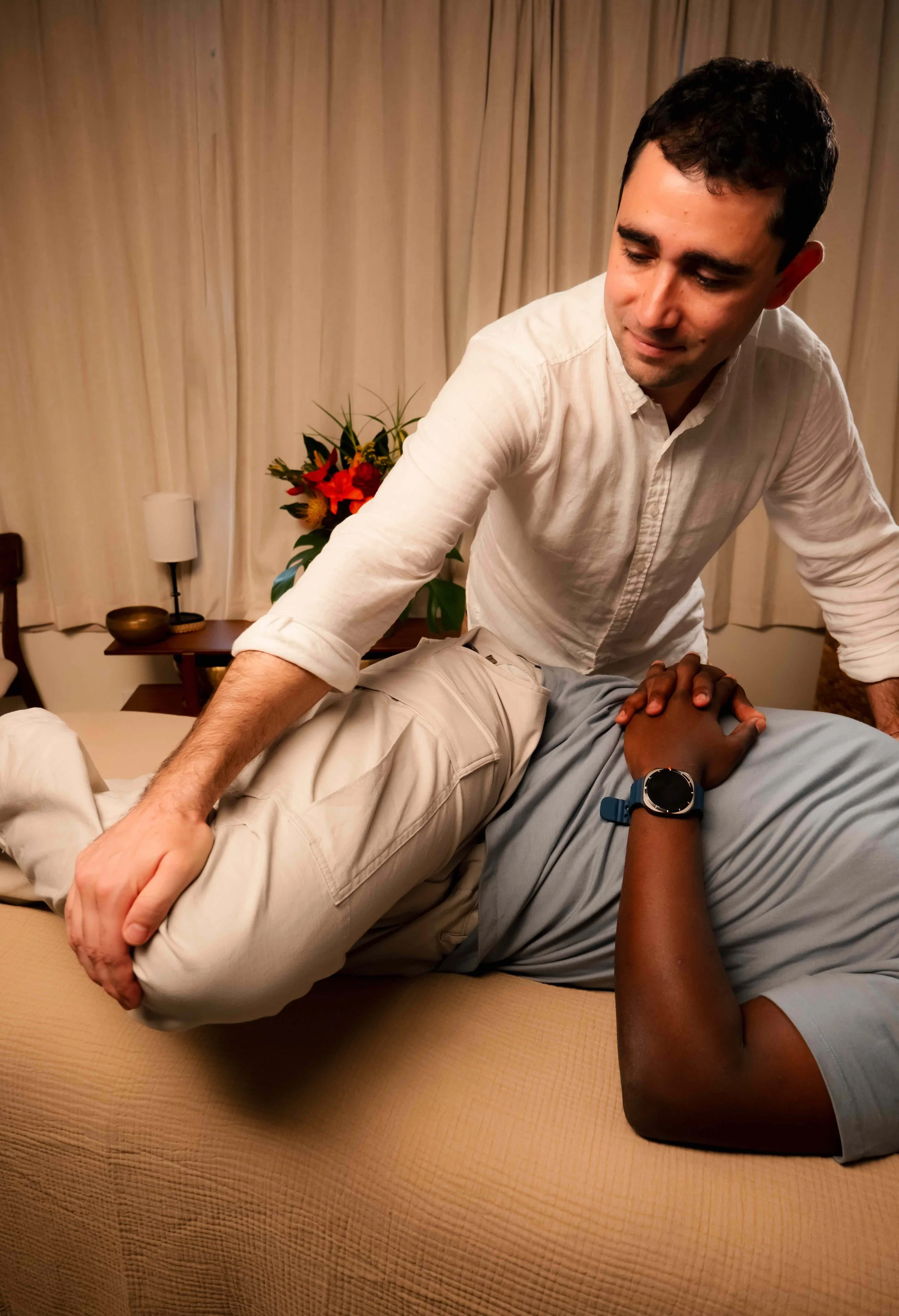
Assisted stretching + mobility work
We guide you through targeted stretches and mobility techniques using slow, respectful pressure. When appropriate, we may use a contract relax style to help the nervous system allow more range without strain.
Integration & aftercare
We finish with a short integration so the new range feels organized, not wobbly. When useful, we will give you one or two simple home practices that match your body, so you can keep progress between sessions without doing a 30 minute routine.
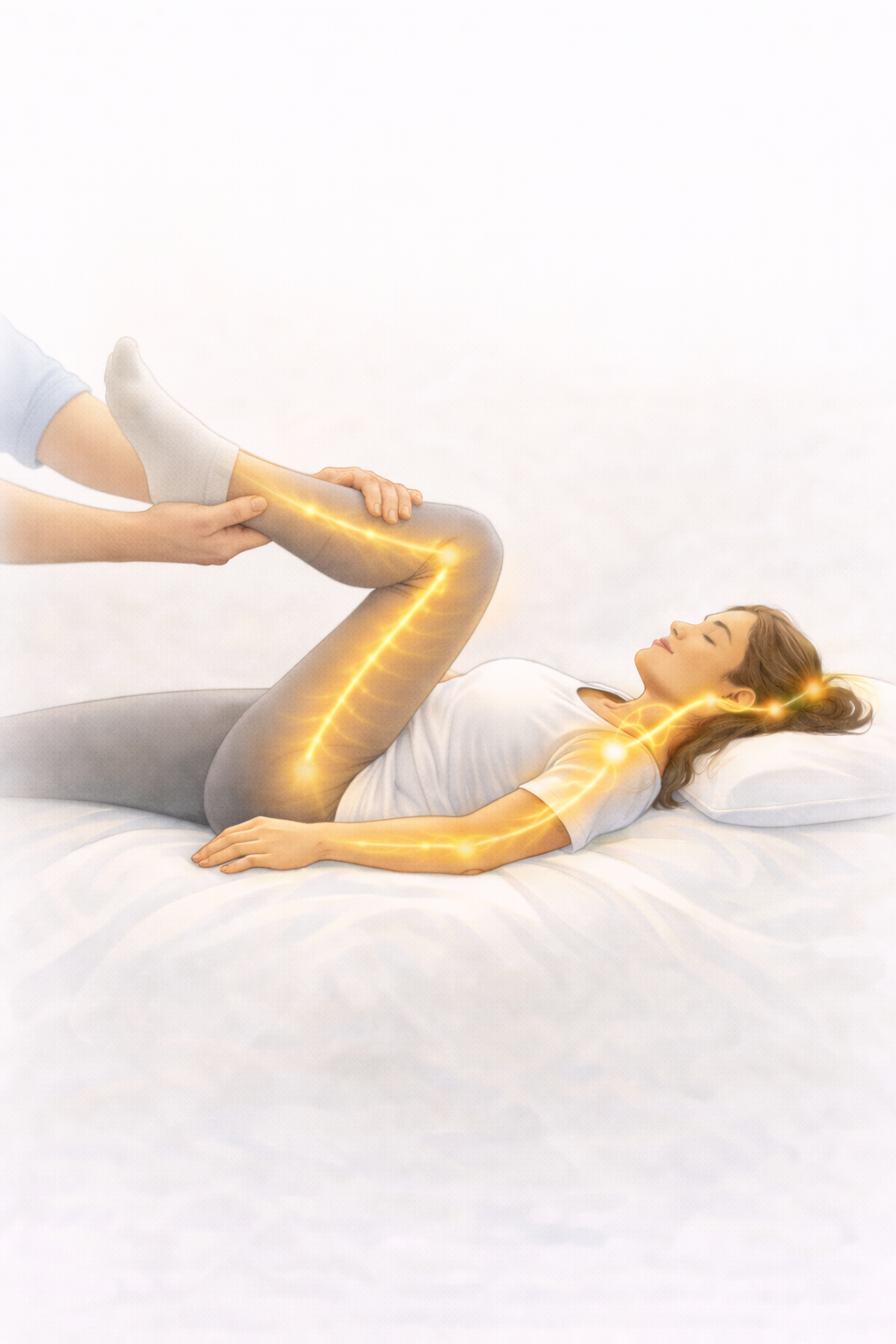
Energetics, Prana, and the Nervous System
Mobility is not only mechanical. It is also energetic and attentional.
In Ayurveda & yoga, the goal is never to force the body into a shape. The classic definition of asana (Yoga posture) points to something more mature: steadiness and ease at the same time. This is the exact attitude we bring into assisted stretching. We want enough clarity and structure that your body feels stable, and enough softness that it can release.
Yoga Sutras, 2.46 to 2.47
देवनागरी
स्थिरसुखमासनम् ॥४६॥
प्रयत्नशैथिल्यानन्तसमापत्तिभ्याम् ॥४७॥
Translation:
Asana is steady and easeful. It is refined through relaxing unnecessary effort and allowing awareness to expand rather than strain.
In practical terms, that means we are not “winning” a stretch. We are teaching the body a new option: less bracing, more breath, more space, and better control.
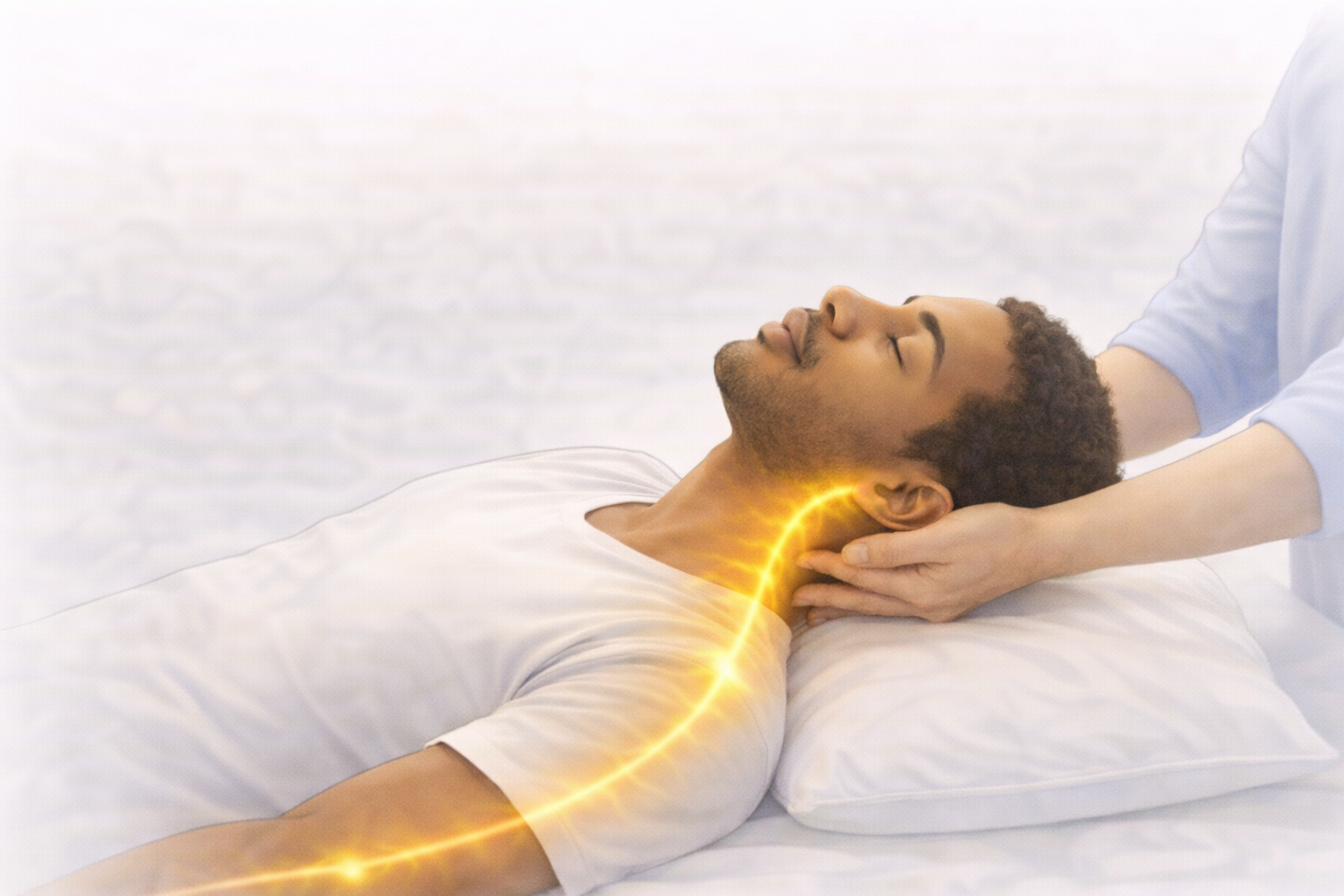
Stretching is one of the most reliable ways to protect long-term joint health and keep movement feeling easy as life gets busy. When a muscle stays shortened from sitting, training, or repetitive work, it can start to “pull” on the joints it crosses, changing posture, gait, and even breathing mechanics.
Assisted stretching helps restore normal length and glide in muscles and fascia so you can move with less compensation. For many people, this shows up as smoother walking, easier squatting, more comfortable overhead reach, and less stiffness the next morning.
Stretching & Trigger Point Massage
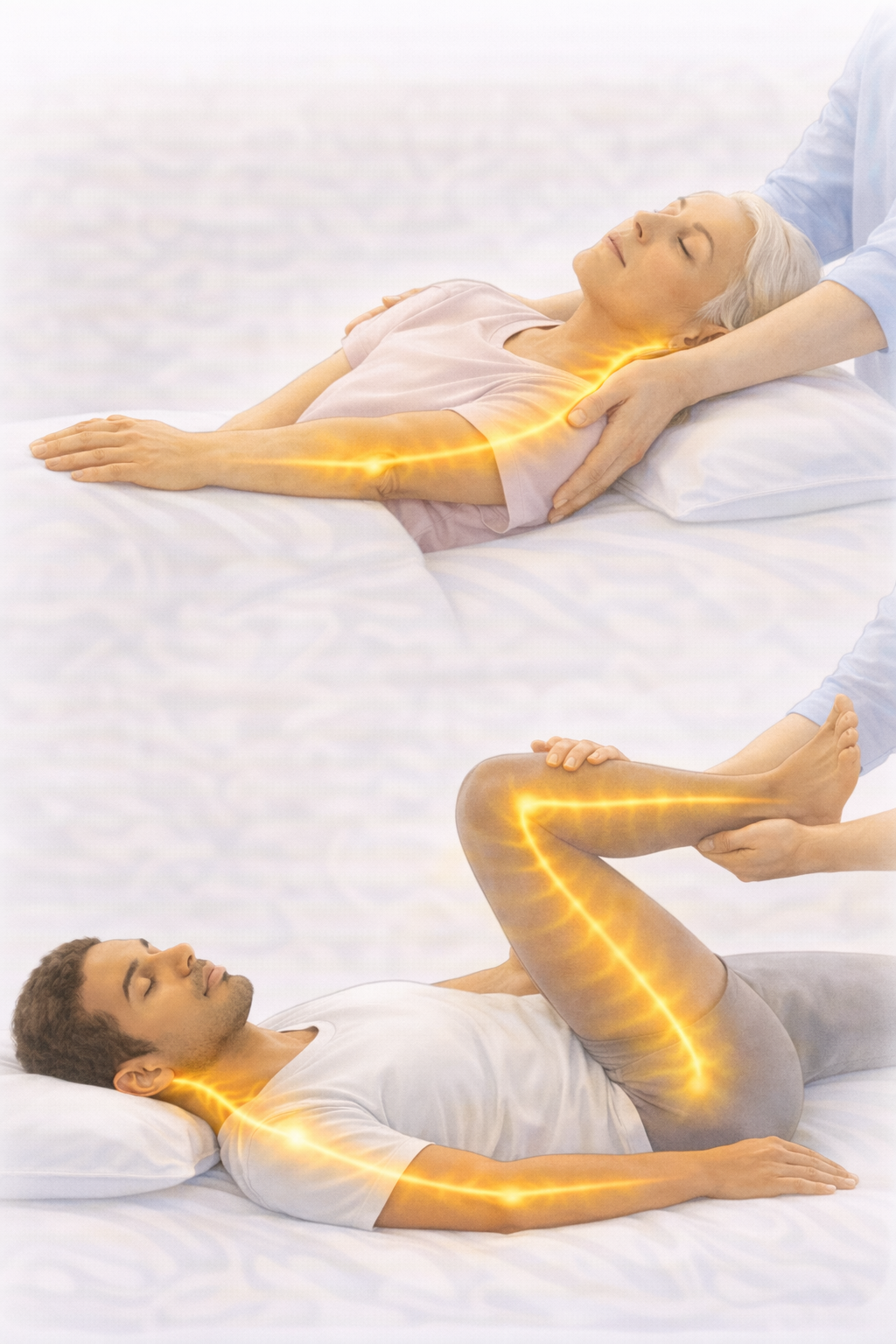
Trigger point massage complements stretching by addressing the “knots” and referral patterns that often block mobility gains. Trigger points are small, sensitive zones in muscle that can create pain locally or send discomfort elsewhere (neck tension that refers into the head, hip tension that refers into the low back, calf tightness that refers into the foot). When these points are softened first, the nervous system often allows a deeper stretch without bracing. The combination can feel like the body finally gets the message: “You’re safe to let go.”
This is also why mobility work supports stress relief and sleep. A guarded nervous system tends to keep muscles mildly contracted, especially around the jaw, neck, diaphragm, hips, and low back. Slow assisted stretching plus focused trigger point work encourages a downshift from “do more, protect more” into rest-and-digest. Clinically, people often notice quieter mind chatter, deeper breathing, and a feeling of grounded calm after a session—benefits that matter just as much as flexibility.
If you’re looking for assisted stretching and trigger point massage in Kailua, Oʻahu, the ideal approach is personalized: we assess how your body moves, where it guards, and which lines of tension are driving the pattern. Some bodies need more stability before they need more range; others need gentle decompression and nervous-system settling first. Either way, the goal is the same—better movement, less pain sensitivity, and a body that feels more comfortable to live in.
Sympathetic to Parasympathetic, Why it Matters

If your system is stressed, rushed, or in pain, mobility tends to shrink. The body protects. Muscles grip. The breath gets shallow. Stretching harder usually makes the body guard more.
Assisted stretching works best when it is collaborative, not aggressive. When pressure is slow, predictable, and matched to your breath, your nervous system stops treating the stretch as a threat. That shift is often what unlocks real change.
This is why people often leave feeling calmer in addition to looser. Better mobility and better regulation usually travel together.
What Doctors & Researchers are Seeing
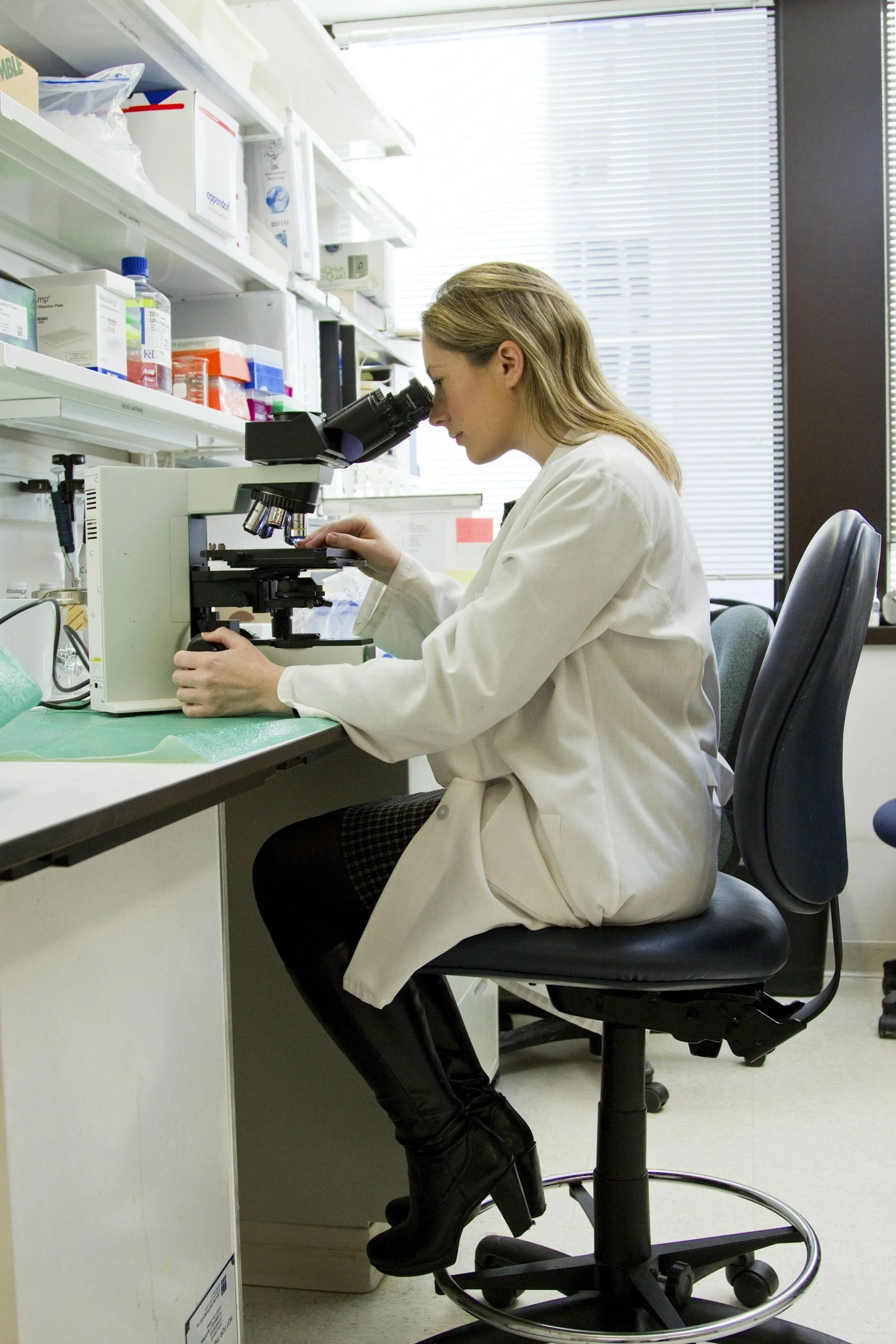
Flexibility training is well studied, and the most consistent finding is simple: regular stretching over time improves joint range of motion. Different styles can work, but steady practice matters.
Assisted and active assisted stretching has also been studied as a way to improve range of motion and functional performance, especially when people need support to access movement safely.
Joint mobilization techniques (common in rehabilitation settings) have research support for improving certain ranges of motion in specific contexts, though results vary by joint and condition. In our setting, we keep mobilization gentle, conservative, and paired with breath and body awareness.
References (as listed on page)
• Chronic stretching training and range of motion: systematic review with meta analysis (Konrad et al.)
• Active assisted stretching program and functional performance in older adults (Stanziano et al.)
• Joint mobilizations and ankle dorsiflexion range of motion: systematic review with meta analysis (Vallandingham et al.)
• Mobilization with movement techniques and range of motion: systematic review with meta analysis (Stathopoulos et al.)
Assisted Stretching & Mobility FAQ’s
-
Arrive hydrated and avoid coming in extremely hungry. A light meal one to three hours before is usually ideal. Wear comfortable clothing you can move in.
-
No forcing. The goal is easeful change. You should feel a strong but safe stretch at times, never sharp pain. We move slowly and check in often.
-
Yes. This is designed for people who feel stiff. You do not need to be flexible to start. We work with your current range and build from there.
-
Most people feel better with gentle movement after, like walking. If you do heavy training, consider scheduling your session on a recovery day or leave extra space afterward so your body can integrate.
-
Yes. If you have a fresh acute injury, a recent surgery (without medical clearance), unstable joints, severe osteoporosis, a blood clot history, unexplained swelling, sharp nerve pain, or anything medically unclear, tell us first. We will help you choose the safest option. If you are hypermobile, we focus more on stability, control, and strength than deep stretching.
By appointment. Closed Tuesdays.
Available times vary by service and practitioner.
Questions or help booking?
We’ll help you choose the right first visit.