


Skin Care & Facials (Lepa) लेप
Ayurvedic Facial: 60 minutes · $135
Ayurvedic Facial + Warm Oil Stream Therapy (Shirodhara): 90 minutes · $199
With Júlia. Book an appointment.
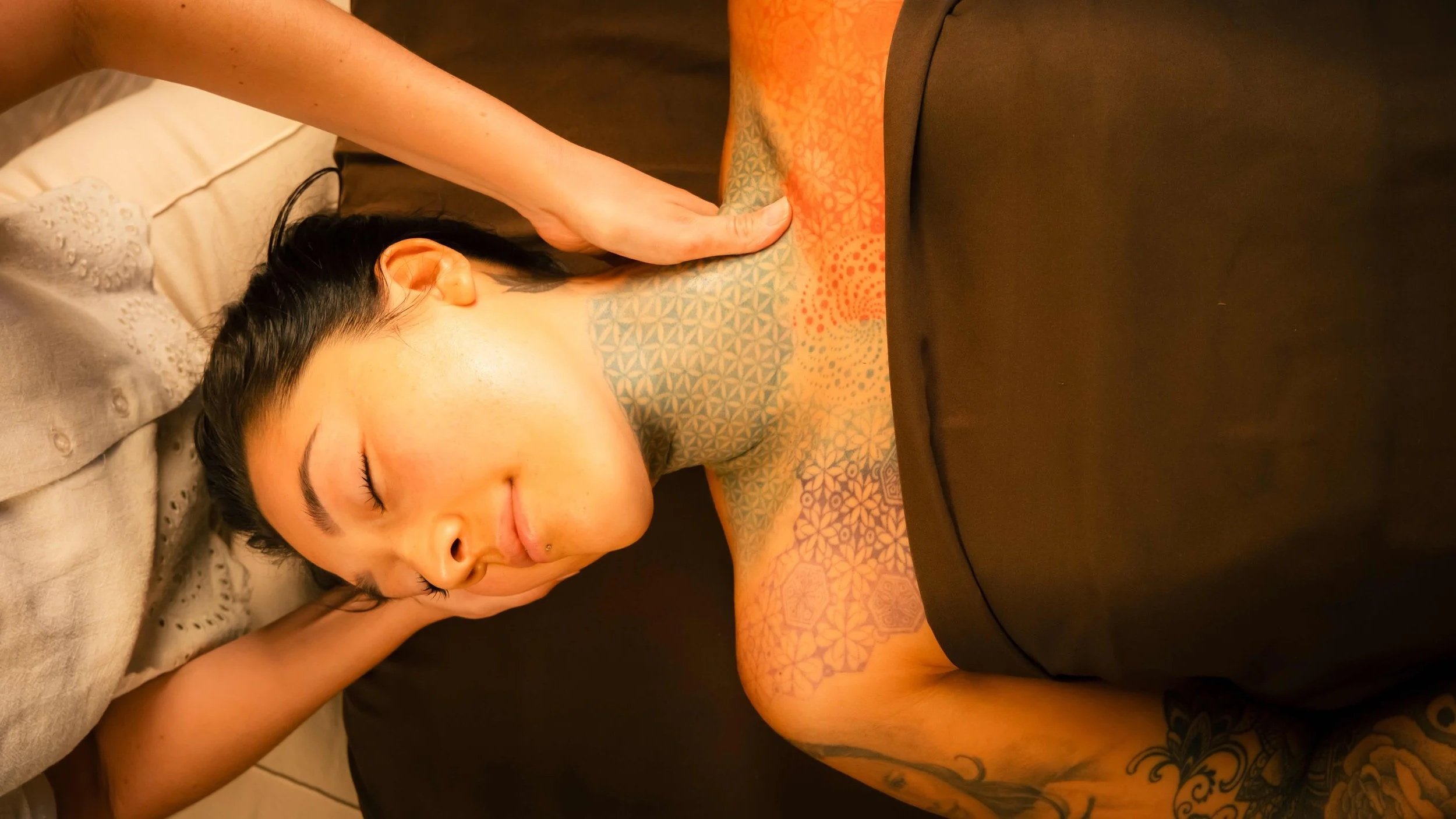
This treatment is an Ayurvedic approach to skin care that blends customized herbal masks, warm oils, and slow facial massage to support clear skin, healthy hair, and deep relaxation.
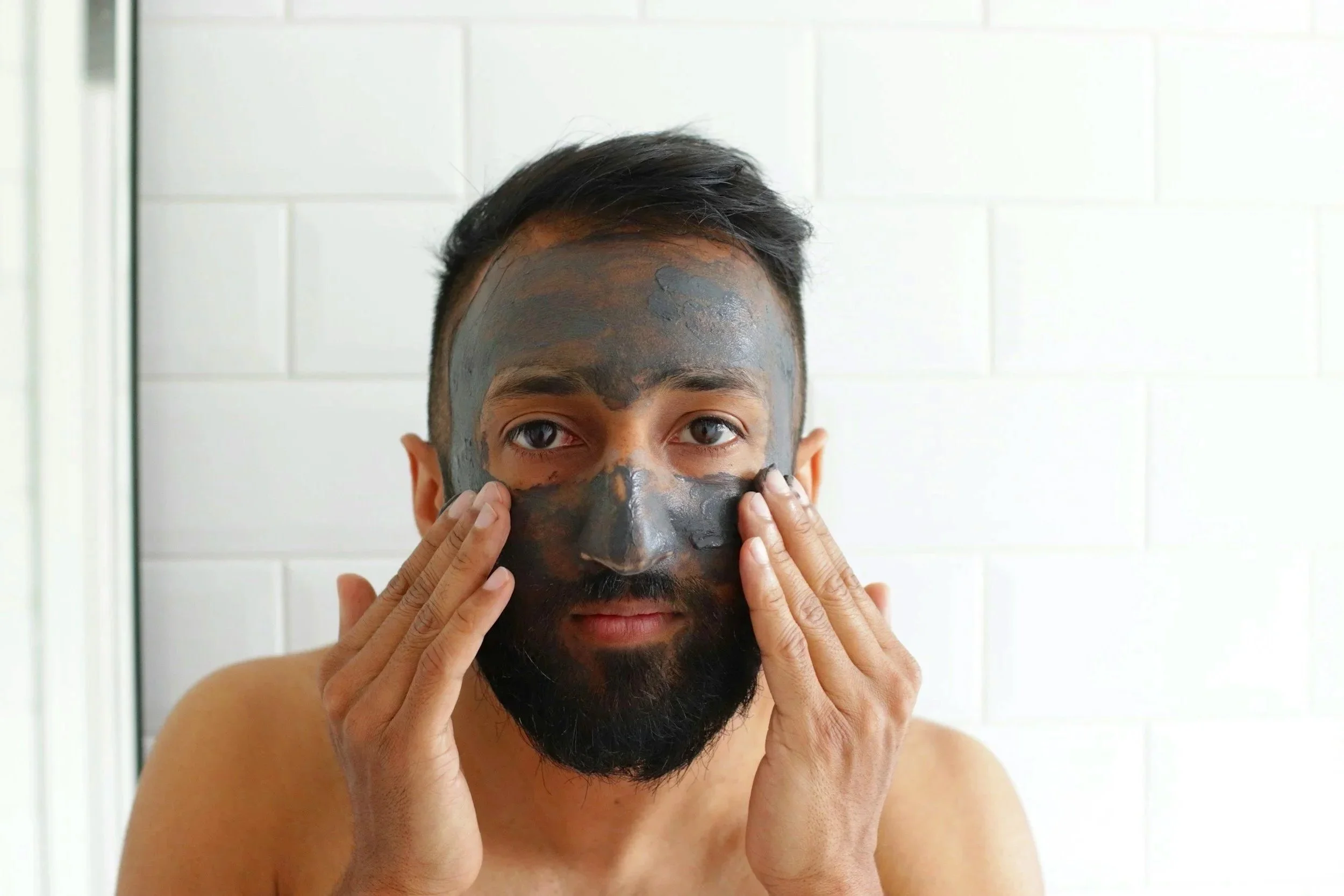
In Ayurveda, lepa means a freshly prepared herbal paste applied to the skin. It can be used on the face (mukha lepa), scalp (shiro lepa), or the body as a targeted herbal “plaster” to soothe, clarify, or nourish tissues based on your constitution, the season, and what your skin is doing right now.
This is not a synthetic spa facial with aggressive exfoliation or chemical extractions. It is a ritual style treatment designed to calm the nervous system and support the skin barrier, tone, and glow through steady touch, herbs, and simple Ayurvedic logic: reduce excess heat, soften dryness, and clear dullness without stripping.
Best for: dull or stressed skin, heat or redness, dryness or dehydration, congestion, puffiness, scalp dryness, and anyone wanting a more ritualistic treatment that also feels deeply regulating.
How Skin Care & Facials tends to feel (what clients notice)
Common feedback includes:
• The face feels cooler, calmer, and less reactive
• Skin feels softer, smoother, and more hydrated
• Puffiness reduces and the face looks more “awake”
• Jaw, temples, and forehead tension eases
• The mind gets quieter and the eyes feel rested
• The scalp feels lighter and less dry or itchy
• A sense of being cared for in a slow, grounded way
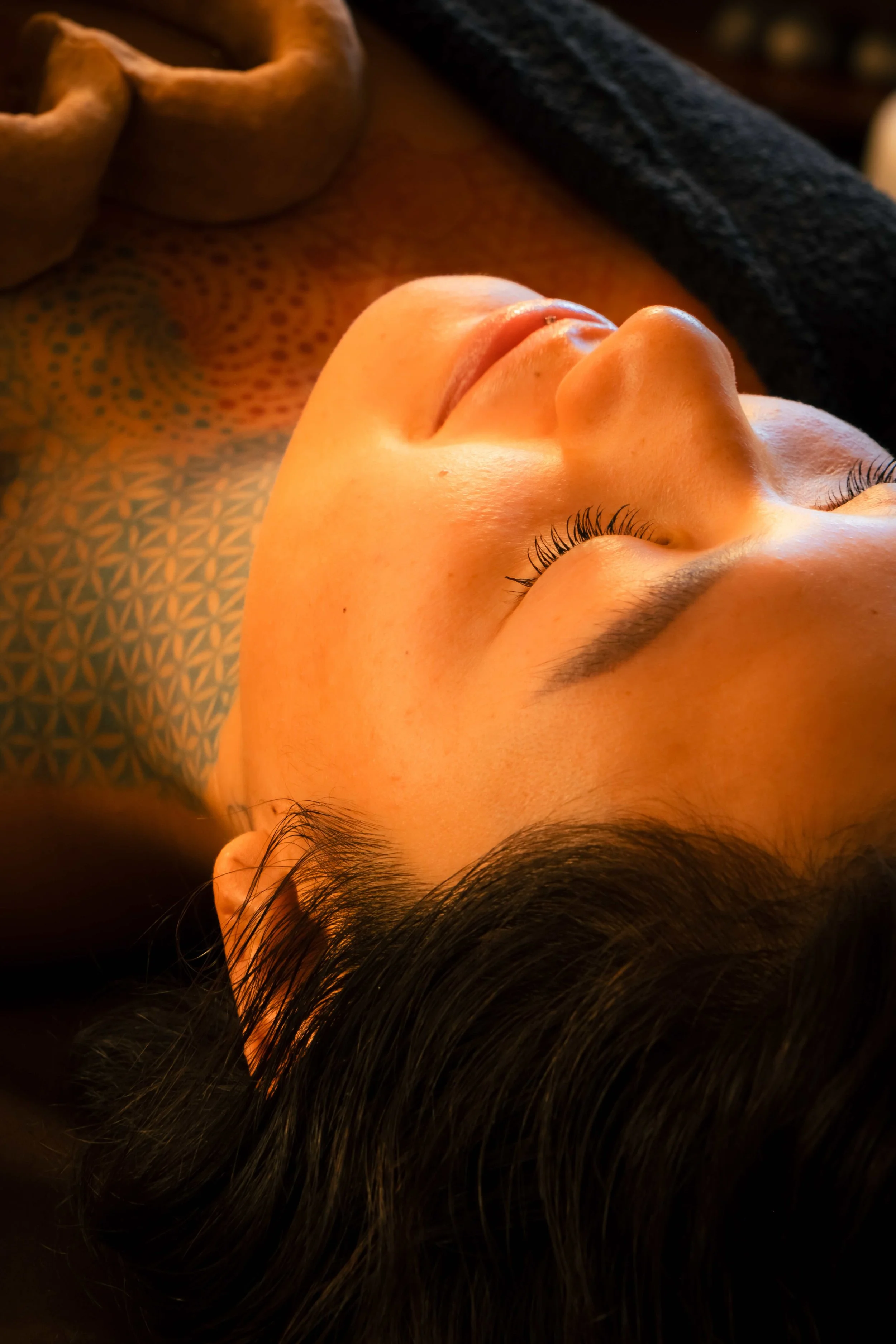
Many people leave feeling quieter inside. The face feels softer and more open, the jaw releases, the breath drops lower, and the whole system feels less “on.”
People often notice the biggest changes in simple daily life moments. The face stops gripping. Brows soften. The belly unclenches. Sleep can come more easily, especially when stress has been showing up on the skin.
Over time, consistent facial and scalp care tends to support better skin resilience, less “stress face,” and a steadier baseline in the nervous system.
What Happens: A typical Session at Ayurveda Wellness Hawaiʻi
Every session is tailored to your skin and nervous system that day. We begin with a brief check in around comfort, consent, boundaries, and how your skin has been feeling. You are fully draped, and we check in throughout.
Traditionally, these therapies can include oil and herbal pastes near the hairline and scalp. If you prefer to keep your hair completely untouched, tell us and we will adapt the process.
Step 1
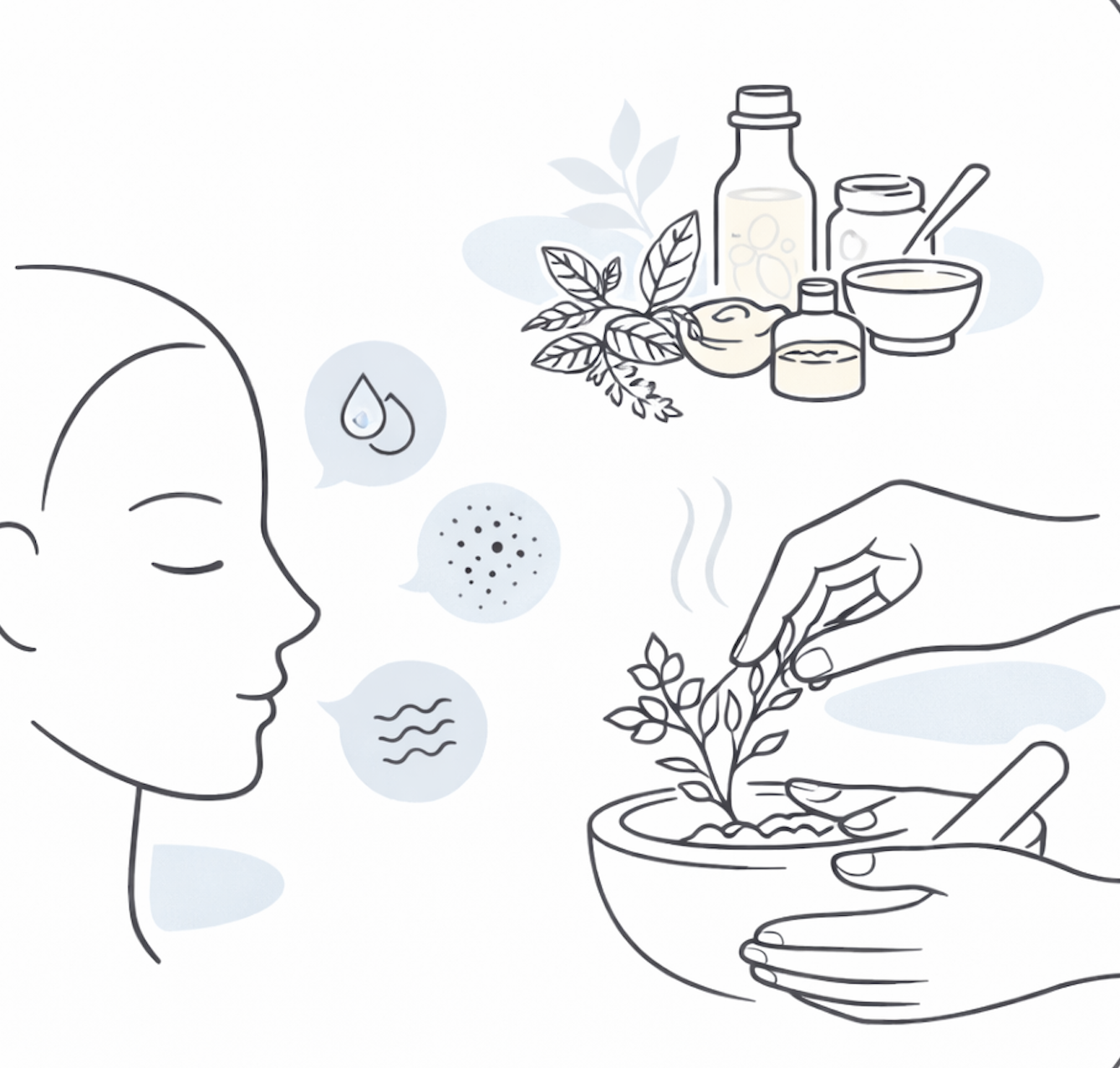
Skin and scalp assessment, herb + oil selection
We start by orienting your nervous system: breath cues, settling the body on the table, and choosing an approach that matches your energy that day (more calming, more clearing, more grounding).
Step 2
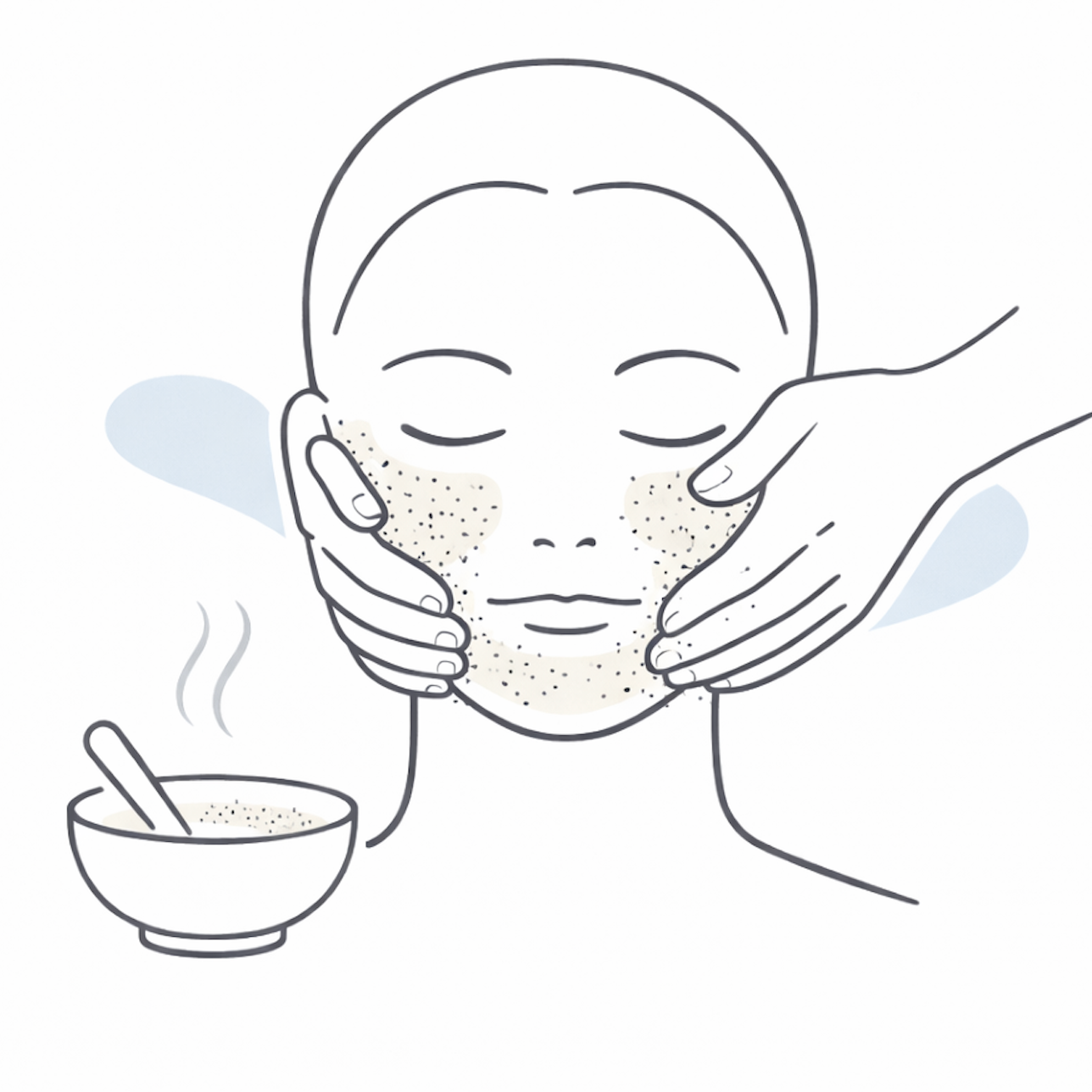
Gentle cleansing, warm compress, and optional herbal scrubbing
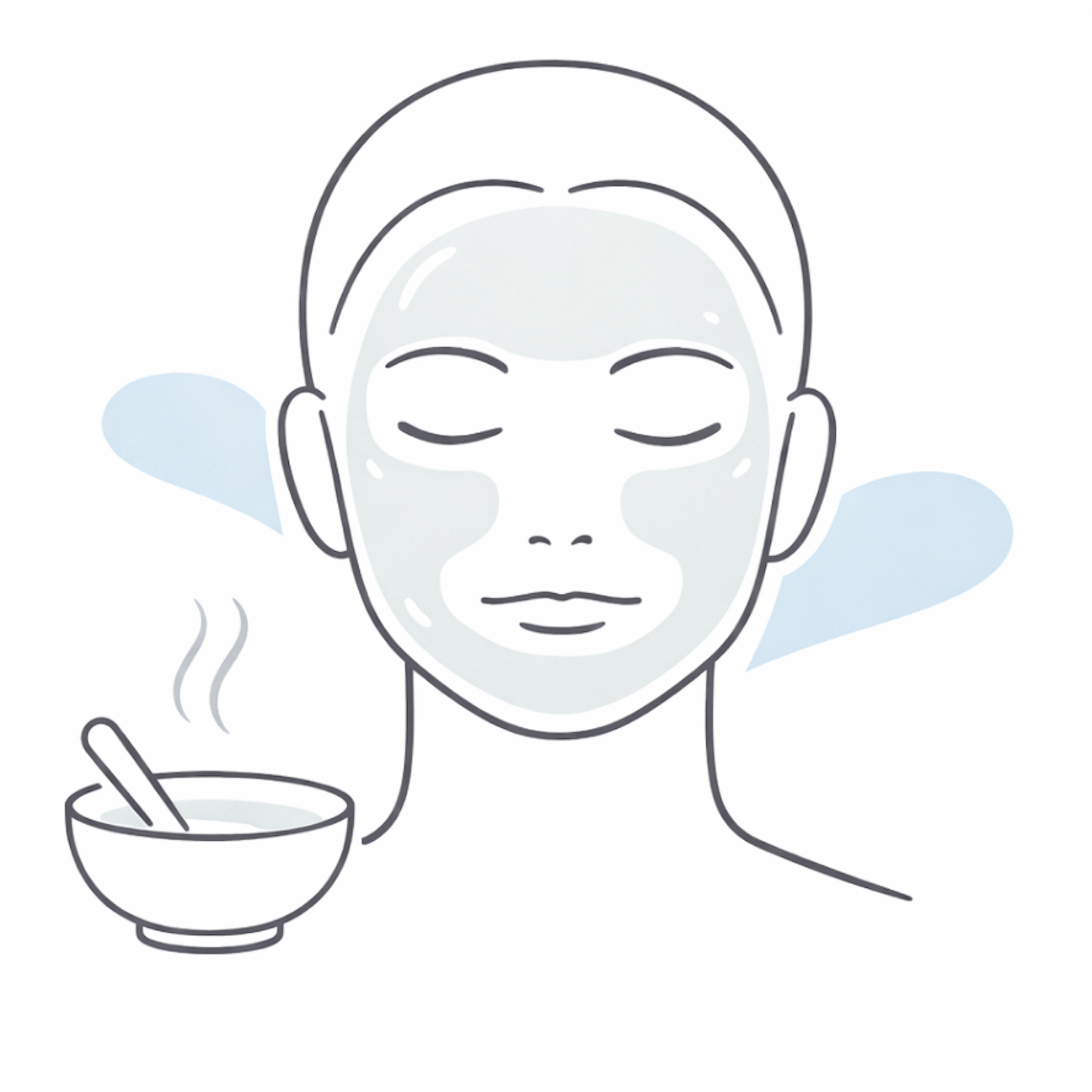
We start with a gentle cleanse and warm compress. When appropriate, we add a very fine, udvartana-inspired herbal scrub to brighten without stripping. If your skin is reactive or irritated, we skip exfoliation and focus on soothing.
Step 3
Lepa mask, facial massage (lymphatic focus), and marma activation
We apply a freshly prepared lepa at a comfortable thickness, then let it rest while we work facial marma, jaw, neck, shoulders, and scalp as appropriate—slow, grounding, and deeply calming.
Integration & aftercare
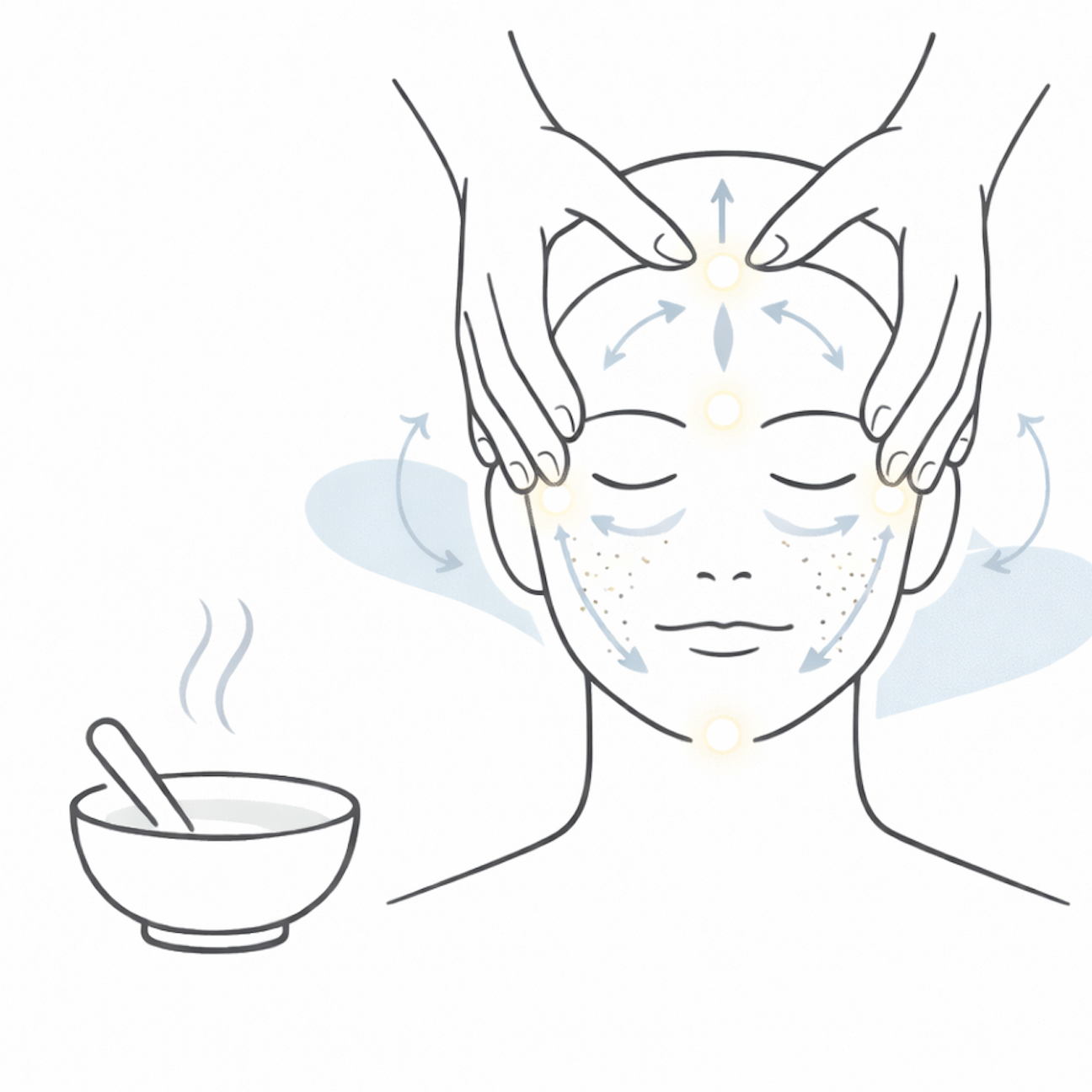
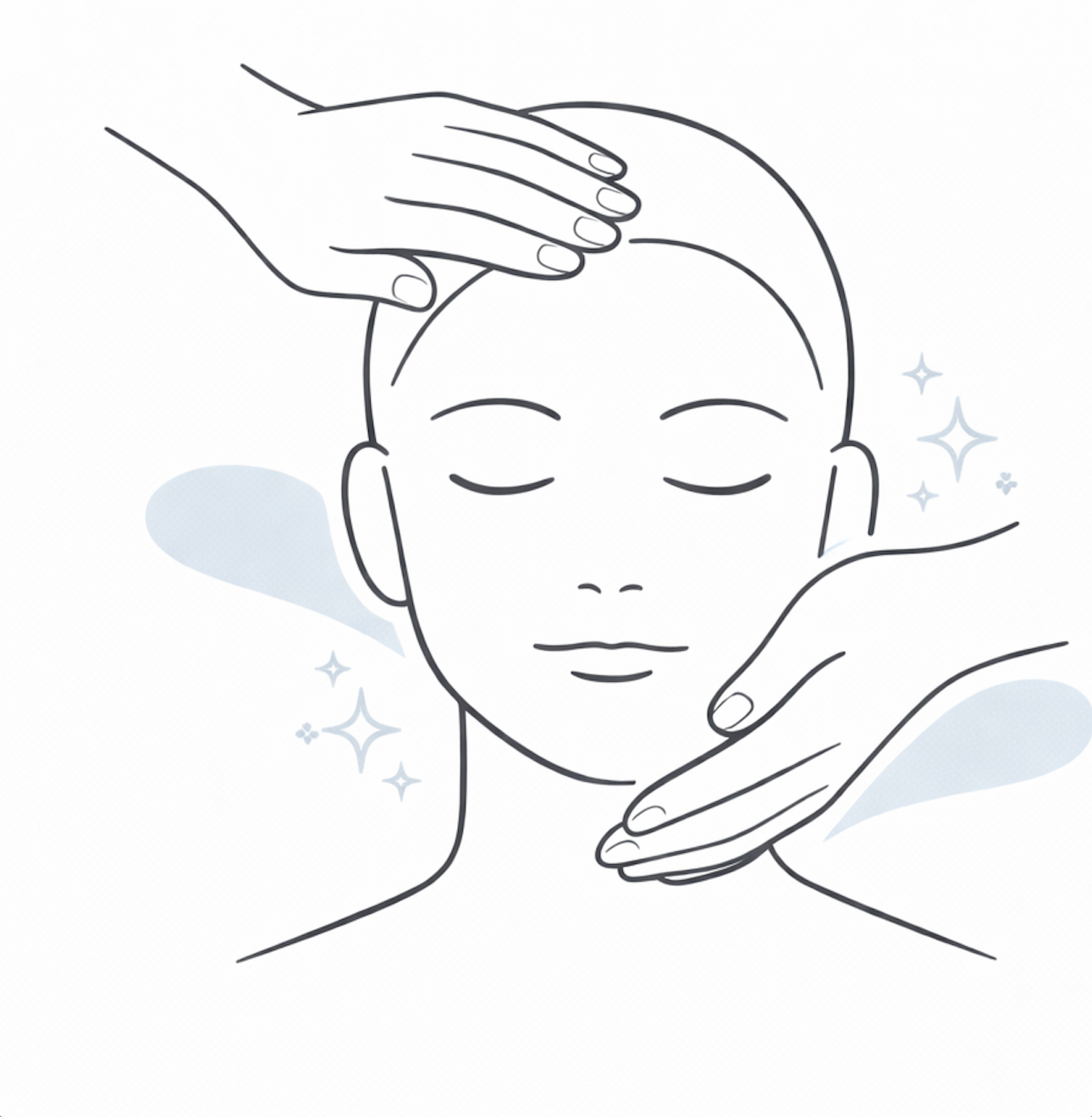
We finish by applying a personally selected skin serum to seal in nourishment and support your skin’s natural balance. Gentle lymphatic clearing and slow facial massage help encourage drainage, soften tension, and leave the face feeling clear, rested, and supported. The session closes quietly, allowing everything to settle so you leave grounded, refreshed, and well cared for.
Energetics, Prana, and the Nervous System
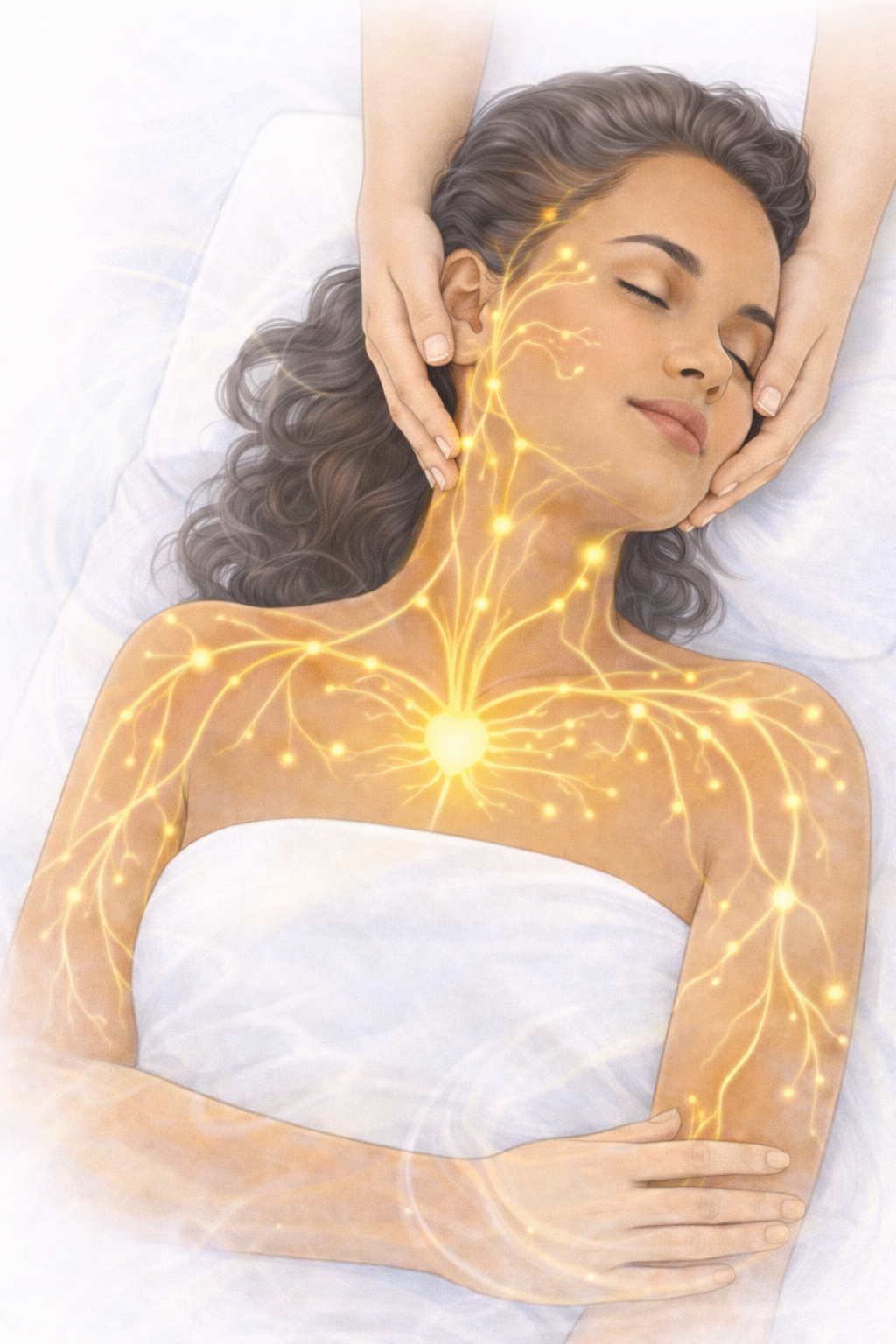
In Ayurveda, skin is not just aesthetic. It is a living interface with the world, tied to rasa and rakta (fluids and blood), and influenced by bhrajaka pitta (the skin’s local metabolic “fire” that governs tone, warmth, and radiance).
When stress is high, the skin often looks tired, feels reactive, or swings between dryness and congestion. From an Ayurvedic lens, the treatment is partly local (herbs on the skin) and partly systemic (helping the nervous system downshift so repair can happen).
Sushruta Samhita, Sutrasthana 18.3
आलेप आद्य उपक्रमः, एष सर्वशोफानां सामान्यः प्रधानतमश्च, तं च प्रतिरोगं वक्ष्यामः ।३॥
Translation:
Alepana, the application of herbal paste, is described as a first line external measure, a primary approach for swelling and imbalance, and it is adapted based on the specific condition.
A practical classical principle we follow is that freshness matters. Lepa is made fresh, applied thoughtfully, and removed once it dries, especially for sensitive skin. We do not stack layers on top of old paste. Herbal are mixed and prepared within minutes of your arrival.
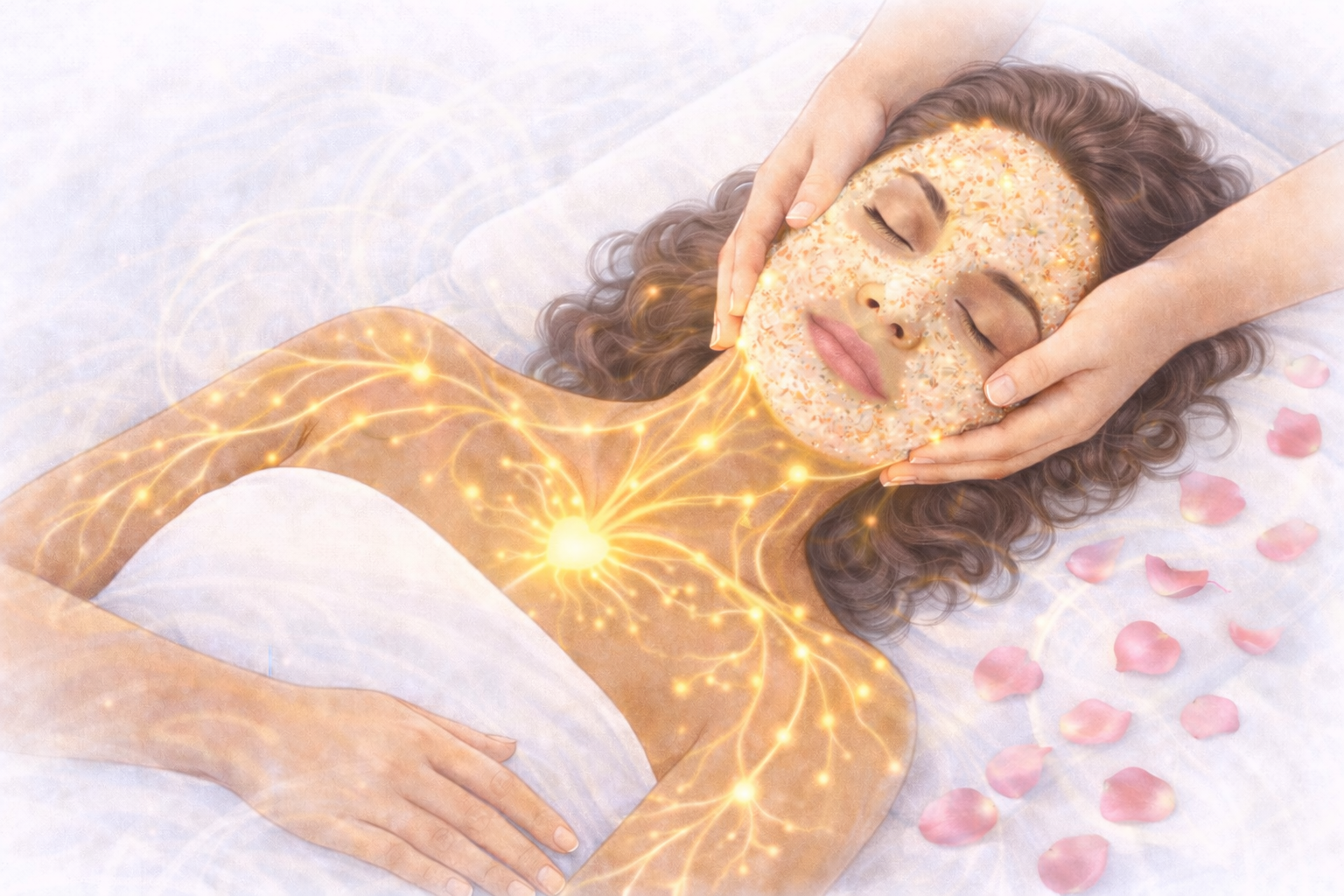
Herbs are selected thoughtfully for each session based on skin type, sensitivity, season, and the state of the nervous system. Fresh powders and botanicals are blended with appropriate bases such as raw honey, rose water, chamomile infusion, aloe, or cooling floral hydrosols to create a lepa that feels supportive rather than stimulating.
Traditional ingredients like sandalwood and red sandalwood are often used to calm heat, settle reactivity, and bring clarity to the skin, while the gentle aroma and texture of the mask signal safety to the nervous system. This combination allows the treatment to work both locally on the skin and more subtly through prāṇa, helping the body shift toward rest, repair, and regulation.
Full-body Herbal Mask
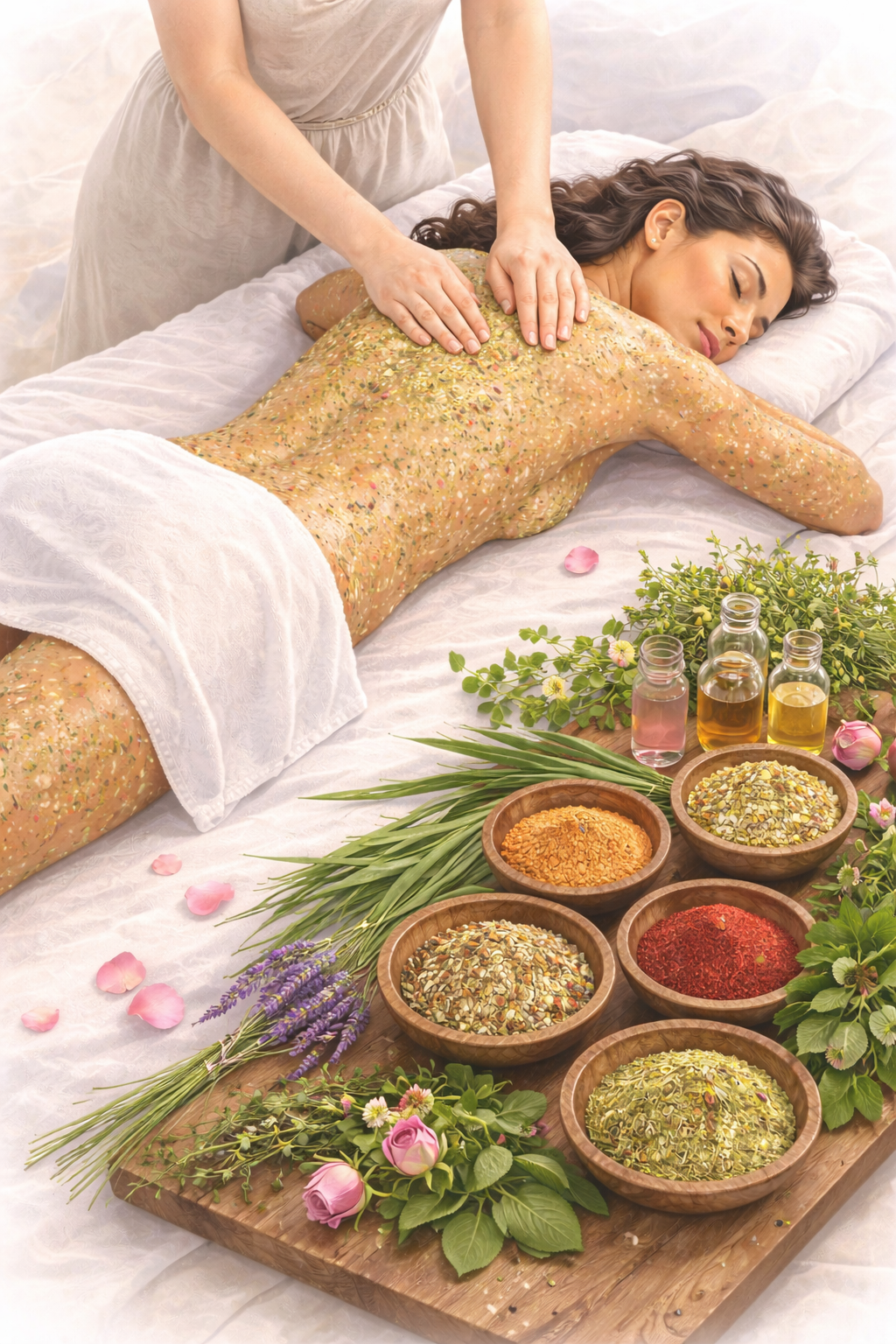
Full-body herbal lepa is a traditional Ayurvedic practice in which freshly prepared botanical pastes are applied to the skin to support systemic balance. While the treatment is deeply nourishing for the skin, its effects extend beyond the surface. The skin is a primary interface between the nervous system, immune signaling, and the hormonal axis, and sustained herbal contact, combined with warmth and stillness, creates conditions that favor regulation rather than stimulation. Many people experience a sense of whole-body settling as the treatment progresses, with the mind and physiology gradually moving toward equilibrium.
This kind of treatment can be especially supportive during transitional phases such as perimenopause, periods of hormonal fluctuation, or times of chronic stress and depletion. From an Ayurvedic perspective, these phases often involve vāta imbalance, irregularity, dryness, heat shifts, and nervous system sensitivity. Full-body lepa offers weight, moisture, and containment, helping to calm excessive movement while supporting circulation and tissue nourishment. Clients often report feeling more grounded, less reactive, and more stable in the days following treatment, particularly when symptoms involve sleep disturbance, skin changes, or heightened nervous system reactivity.
On a physical level, herbal lepa supports skin tone, hydration, and clarity by improving circulation and lymphatic movement while delivering gentle botanical compounds directly through the skin. On a subtler level, the treatment helps harmonize the flow of prāṇa throughout the body, encouraging balanced energy distribution rather than localized congestion or depletion. When integrated thoughtfully into a broader care plan, full-body herbal lepa serves as both a restorative skin therapy and a nervous-system–supportive ritual—one that honors the interconnected nature of hormones, skin health, and overall vitality.
Sympathetic to Parasympathetic, Why it Matters
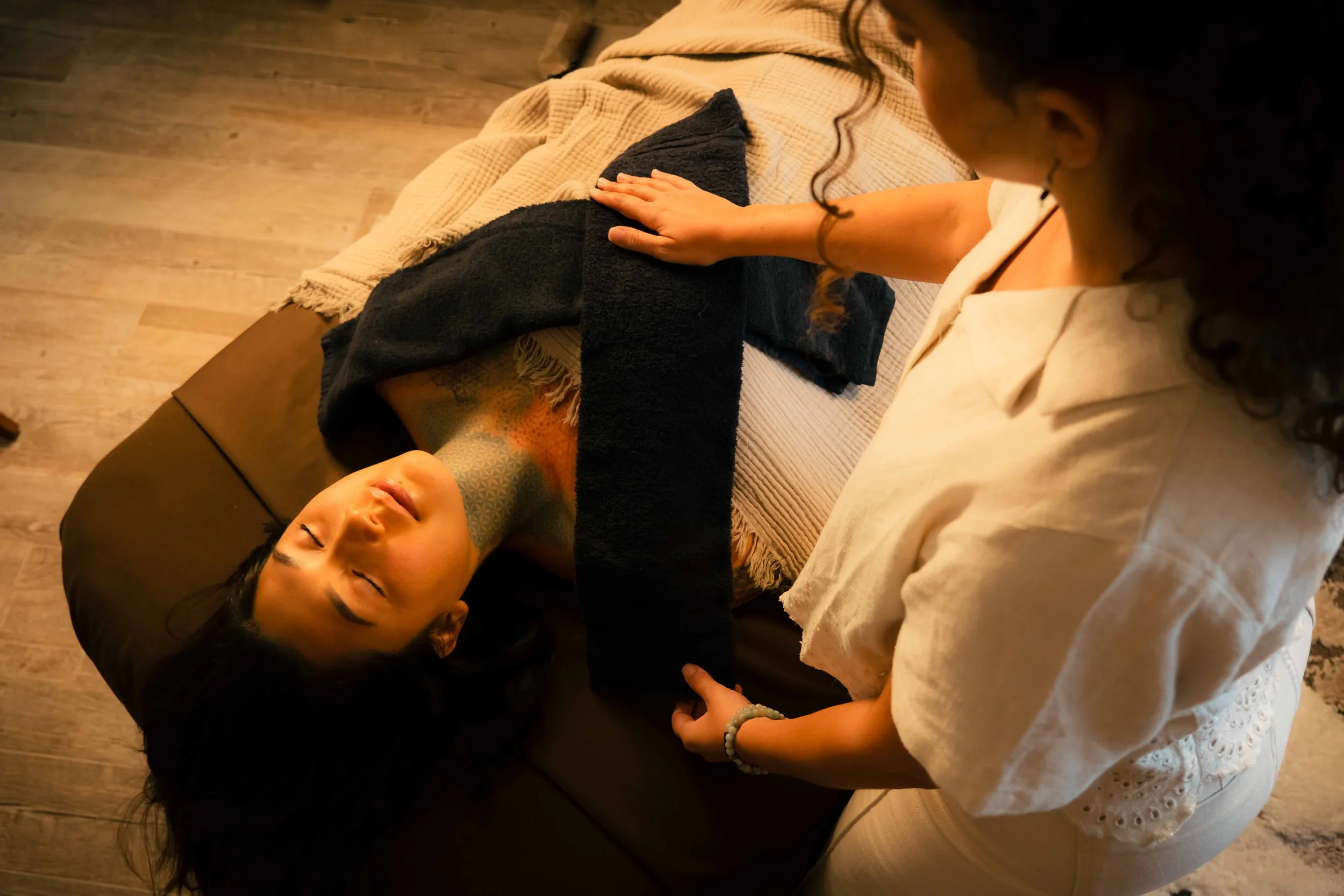
Many people carry stress in the face. Forehead tight. Jaw braced. Tongue gripping. Eyes working overtime. When the face is holding tension, the whole nervous system tends to stay slightly activated.
This treatment is designed to help the system exit vigilance through a very simple recipe: warmth, steady touch, and time. Warm compresses and slow facial massage often help breathing deepen, shoulders drop, and the mind stop racing.
From a modern lens, a calm facial ritual can support autonomic regulation. From an Ayurvedic lens, this is prana settling back into the head and sense organs, and the body remembering how to rest.
What Doctors & Researchers are Seeing
Nervous system regulation and skin stress patterns. Skin often mirrors the state of the nervous system—especially with stress-linked dryness, heat, flushing, jaw tension, and reactivity. A randomized controlled trial of a self-administered Thai yoga facial massage paired with breathing regulation found improved heart rate variability and reduced heart rate compared to seated rest, suggesting an autonomic downshift (PubMed 40971262). This matters because when the system shifts out of “fight-or-flight,” facial muscles soften, breathing deepens, and the skin barrier tends to behave more predictably.
Ayurvedic lepa studies for specific concerns. Clinical studies published in Ayurveda journals report that certain lepa formulations may support patterns like hyperpigmentation (melasma-related presentations), acne-type presentations, and scalp/skin concerns when used as part of a broader protocol (PubMed 27011715; PMCID PMC3821246; JAIMS 2024 DOI: 10.21760/jaims.9.3.8). Classical Ayurveda also describes lepa/alepana principles—selection, preparation, and appropriate use—within a wider therapeutic context (Suśruta Saṃhitā, Sūtrasthāna 18; Caraka Saṃhitā, Sūtrasthāna 3).
Facial massage, circulation, and glow. Small clinical studies on facial massage tools suggest that even short sessions can increase facial skin blood flow, and longer daily use may improve vascular response over time. In practice, this can look like a healthier “awake” tone—more even color, less dullness, and a skin surface that feels warmer and better perfused (PubMed 30477852).
Lymphatic drainage and facial puffiness. Gentle lymphatic drainage facial massage is commonly used in esthetics to support fluid movement from the face toward the neck and clavicle region (where major lymphatic drainage pathways converge). When done lightly and directionally—never deep—the goal is to reduce stagnation and support natural drainage patterns. Many clients experience this as less “puffy” heaviness around the eyes, jaw, and neck, along with a clearer, lighter facial feel. It’s not a promise or a medical claim—more a practical, low-risk strategy that pairs well with calming marma work and slow, regulated touch.
What this means in practice: this is not a replacement for dermatology care or medical treatment. But it can be a legitimate supportive ritual—especially when skin is affected by stress, heat, dryness, congestion, or nervous system overload—combining herbal intelligence, gentle lymphatic drainage facial massage, and a downshifting touch approach.
Skin Care & Facials FAQ’s
-
Try to arrive hydrated and avoid coming in very hungry. A light meal one to three hours before is usually ideal. If you are sensitive to caffeine, consider keeping it light earlier that day so your system can settle more easily.
-
If you can, come with minimal makeup so your skin can receive the treatment more directly. If you arrive with makeup on, we will cleanse thoroughly first.
-
Tell us ahead of time about allergies, fragrance sensitivity, asthma, migraine triggers, and any known skin reactions. We can simplify ingredients, avoid strong aromatics, and skip exfoliation. We always choose a skin friendly approach over intensity.
-
No aggressive extractions or harsh peels. This is a nervous system supportive, Ayurvedic style facial focused on oils, herbs, masks, and gentle technique. If congestion is a main concern, we can use appropriate clearing herbs and gentle methods without forcing the skin.
-
Most people feel calmer and more inward afterward. If you can, plan a lighter schedule so your nervous system can integrate the treatment. You can drive home, but we recommend giving yourself extra time and avoiding rushing.
-
Most of the oil is absorbed during the session. We remove excess so you leave feeling comfortable. If we do scalp work, your hairline may feel lightly oiled.
-
Some people love this monthly as maintenance for glow and stress support. Others do a short series during a high stress season or when skin is feeling reactive. We can recommend timing based on your constitution and what your skin is doing.
By appointment. Closed Tuesdays.
Available times vary by service and practitioner.
Questions or help booking?
We’ll help you choose the right first visit.