

Breathwork in Kailua
Personalized pranayama and breathing practices on Oʻahu.
Breathwork - Pranayama प्राणायाम
Ask the clinic about breathwork, session length, pricing, and availability before booking.
Call (808) 749-2311 · Text us · Email the care team
By appointment. Closed Tuesdays. Available times vary by service and practitioner.
Breathwork (pranayama) at our center in Kailua is a gentle, guided breathing session designed to support stress relief, sleep support, and anxiety support by helping your nervous system return to a steadier rhythm. Most clients learn these techniques as an adjunct therapy within their overall Ayurveda program after they begin with an Ayurvedic assessment.
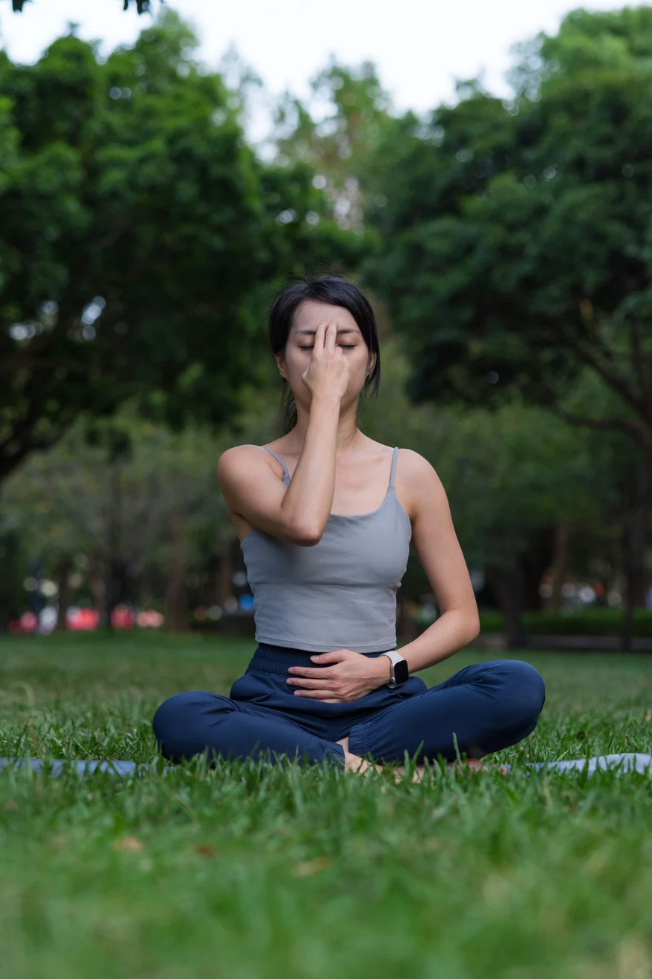
This is not intense hyperventilation-style breathwork.
Breathwork (pranayama) is a practical way to work directly with the nervous system through the rhythms of the breath. In yoga, pranayama means training the breath so the mind can become steadier, clearer, and more present.
In our clinic, breathing techniques are woven into most of our protocols. We commonly teach pranayama as an adjunct therapy after clients start with an Ayurvedic assessment, so your breath practice matches your constitution, symptoms, season, and goals.
You can also choose breathwork as a stand-alone service, especially if you want structured support with stress, sleep, or feelings of uneasiness.
Best for: stress, anxiety support, shallow breathing, overwhelm, sleep support, nervous system regulation, jaw and chest tension, feeling scattered (vata imbalance), and mental fatigue.
How Breathwork tends to feel (what clients notice)
Common feedback includes:
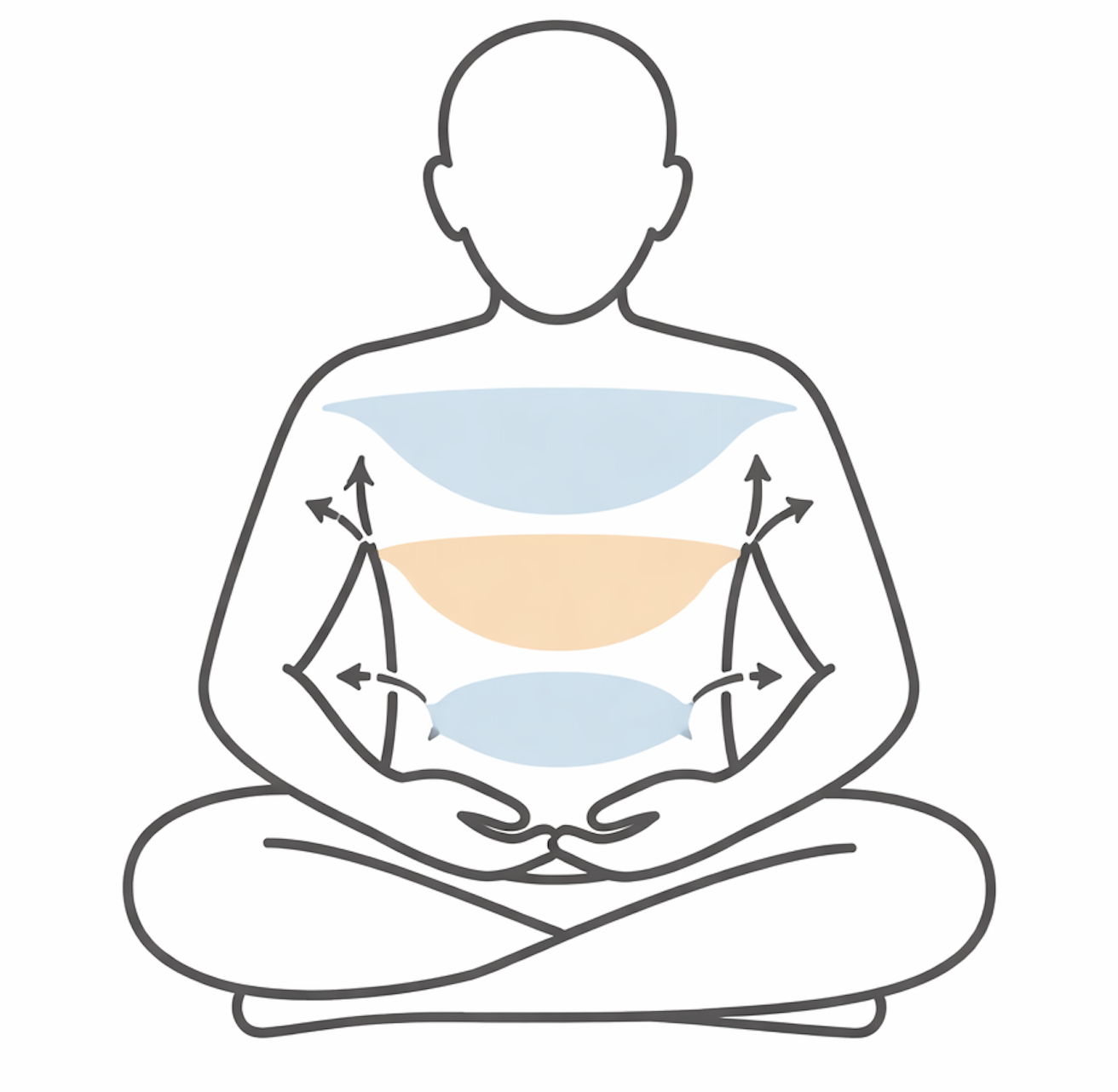
• The breath drops lower and feels fuller in the ribs and belly
• The exhale becomes longer and smoother without forcing
• The mind gets quieter and less looped
• The chest, shoulders, and jaw soften
• A calmer baseline for the rest of the day
• Sleep feels easier, deeper, or less interrupted
• More focus without the wired feeling
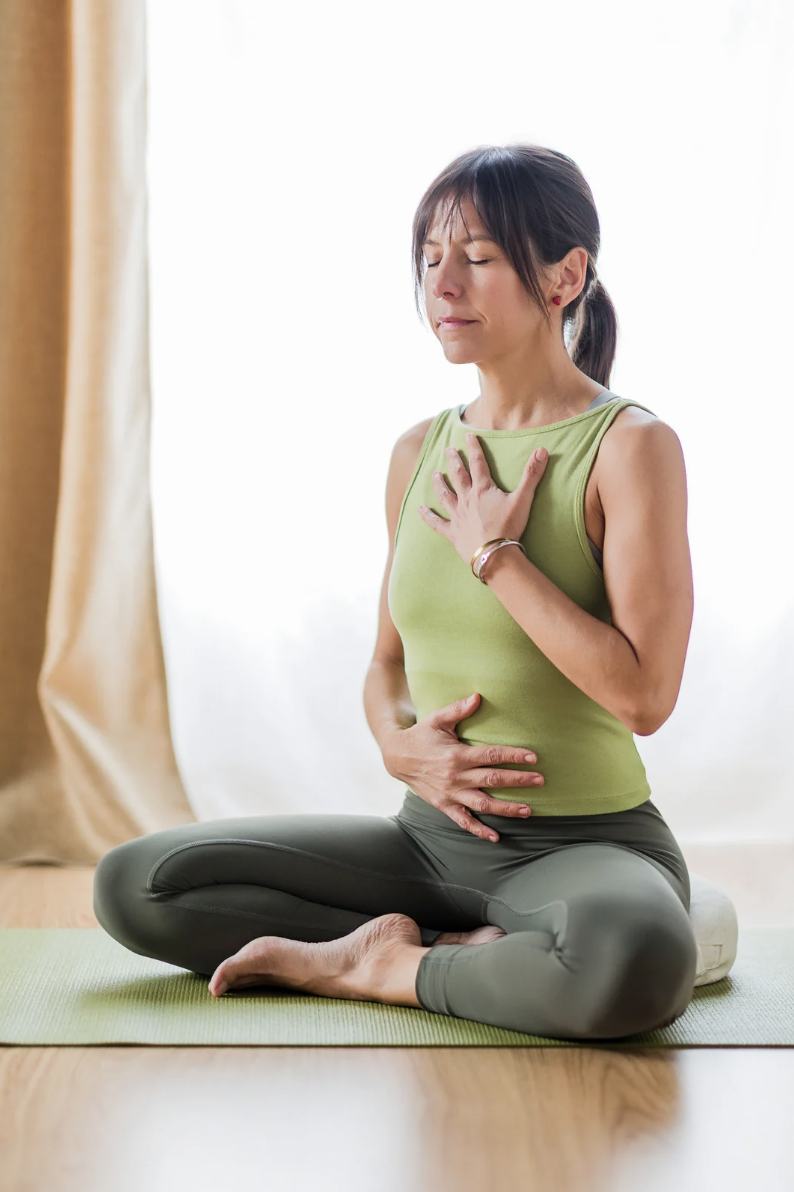
Many clients notice the biggest changes in everyday moments.
You pause before reacting.
You feel less rushed even when you’re busy.
Breathing becomes supportive instead of unconscious bracing.
Over time, consistent pranayama tends to build capacity.
Not “perfect calm” all the time.
More flexibility: mobilize when needed, recover faster afterward.
What Happens: A Session at Ayurveda Wellness Hawaiʻi
Every breathwork session is tailored to your nervous system that day. We begin with a short check-in around stress level, sleep, breathing patterns, and anything we should modify for safety.
You stay fully clothed. Sessions can be done seated, reclined, or lying down, whichever supports comfort and steadiness.
If you are already in an Ayurveda program, your breathwork will align with your protocol and current phase of care. For many clients, pranayama becomes a simple daily tool that supports the deeper work of diet, lifestyle, herbs, and body therapies.
Step 1
Baseline + intention
We observe your natural breathing rhythm and where you tend to hold tension (jaw, throat, chest, belly). Then we choose one clear goal for the session.
Step 2
Build strong foundations
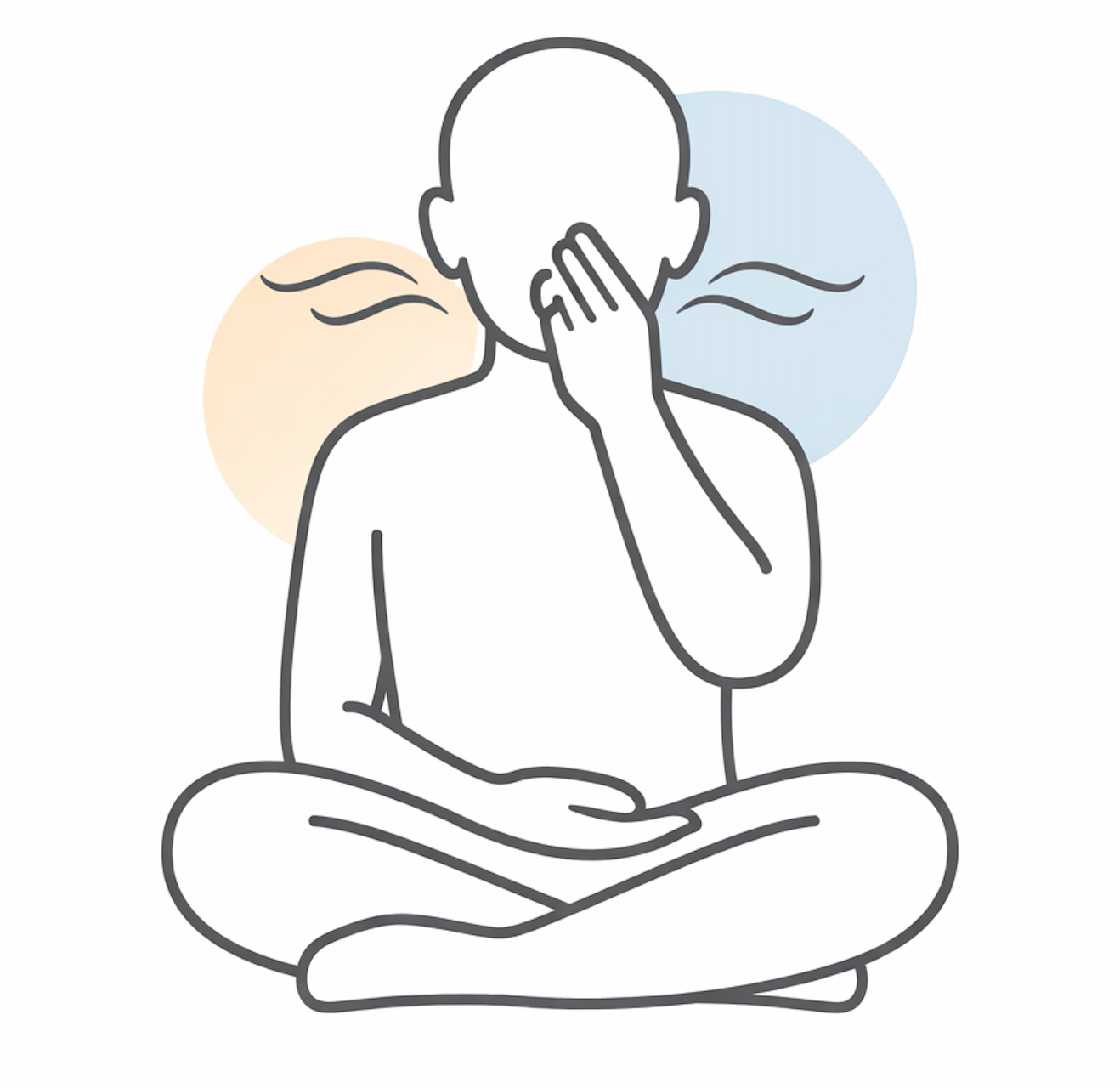
We start with calming basics: gentle nasal breathing, softening the diaphragm, and lengthening the exhale in a comfortable way.
Step 3
Guided pranayama practice
Based on your goal, we may use a variety of traditional practices: Nadi shodhana, kapalabhati, shitali, to name a few.
Energetics, Prana, and the Nervous System
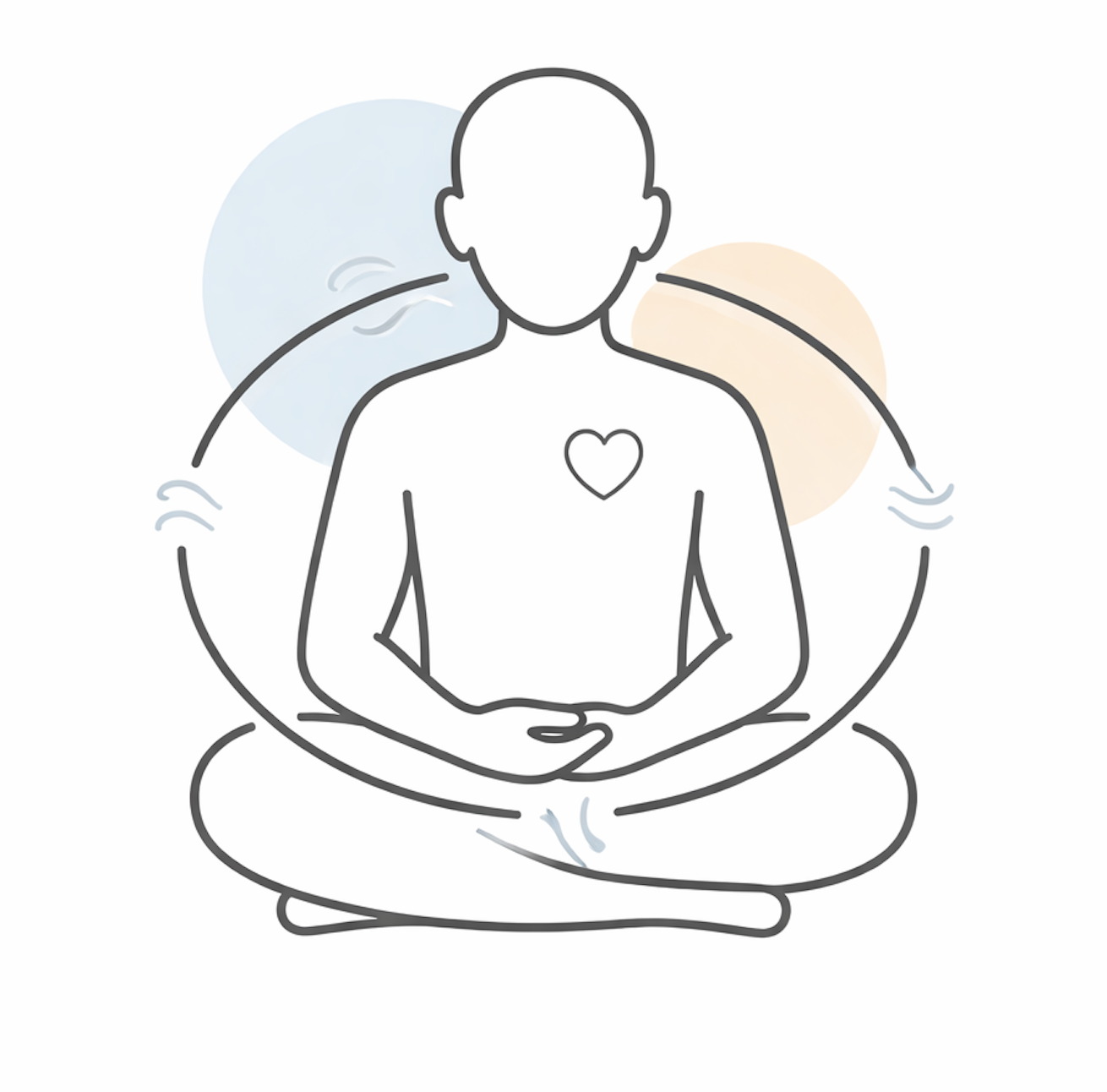
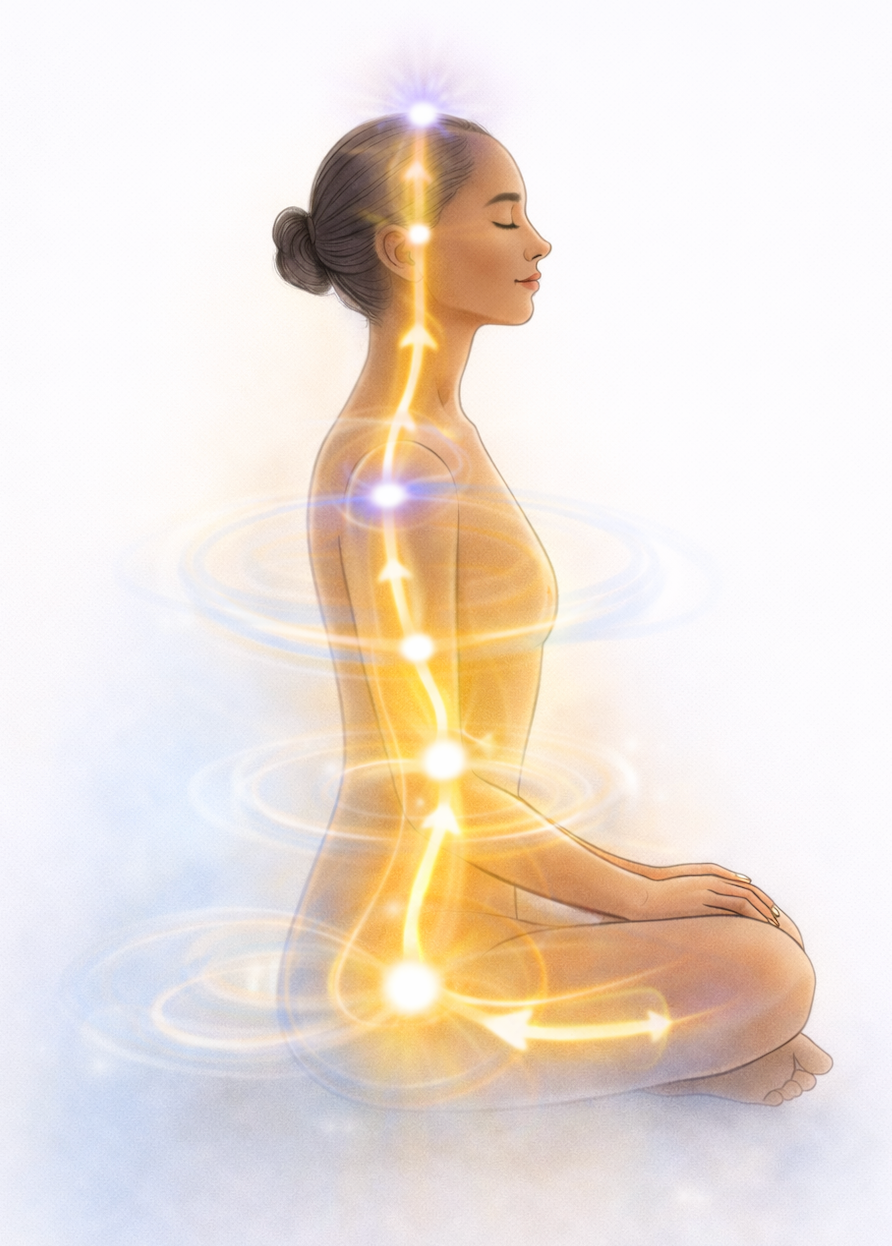
In yoga, breath and prana move together.
When the breath is choppy or strained, prana often feels scattered.
When the breath is steady, the mind tends to steady too.
Yoga Sutras, Sadhana Pada 2.49
देवनागरी
तस्मिन् सति श्वासप्रश्वासयोर्गतिविच्छेदः प्राणायामः॥४९॥
Translation
When you are established in steadiness, pranayama is the intentional regulation of inhalation and exhalation.
Yoga Sutras, Sadhana Pada 2.52
देवनागरी
ततः क्षीयते प्रकाशावरणम् ॥५२॥
Translation
From pranayama, the covering over inner clarity is reduced.
From an Ayurvedic lens, pranayama is especially supportive when vata is high: anxiety, light sleep, nervous energy, irregular routines, and feeling ungrounded.
Breathwork is one of the most direct ways to bring steadiness back to the system without trying to “think your way” out of stress.
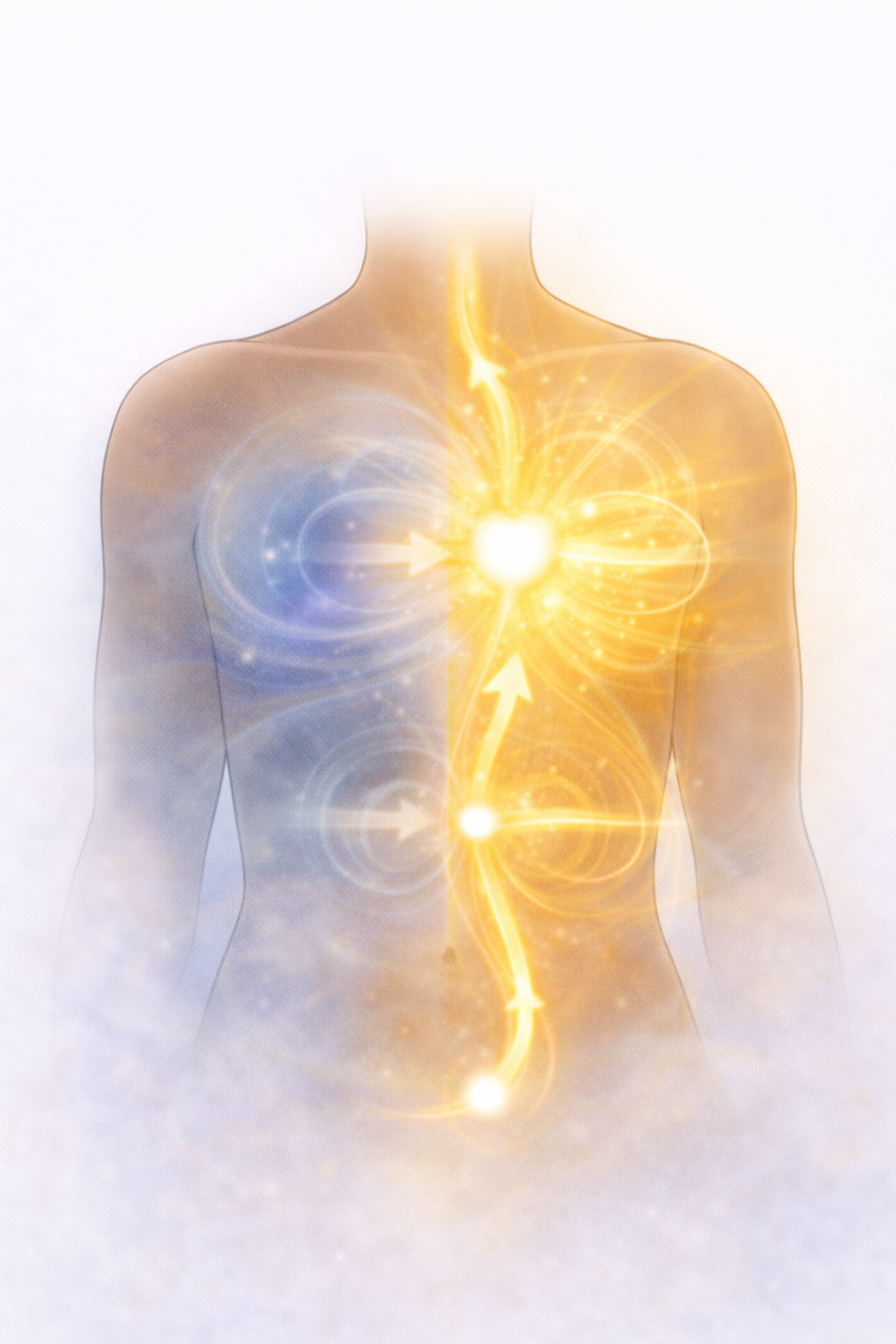
Pranayama also complements almost everything we do in Ayurveda because it supports the same core goal: creating a stable internal environment so the body can digest, repair, and regulate more efficiently. When the breath is calm and rhythmic, the nervous system becomes less reactive. That shift helps clients follow their food plan with less craving and less emotional urgency. It supports more consistent routines, which is one of the most important pieces of vata pacification.
Breathwork is also a practical bridge between “knowing what to do” and actually doing it. Many clients understand the recommendations after their Ayurvedic assessment, but stress can make follow-through feel harder than it should. A short pranayama practice makes the system more receptive. In that calmer state, lifestyle changes feel simpler, sleep hygiene is easier to maintain, and the mind is less likely to negotiate against what it already knows is supportive.
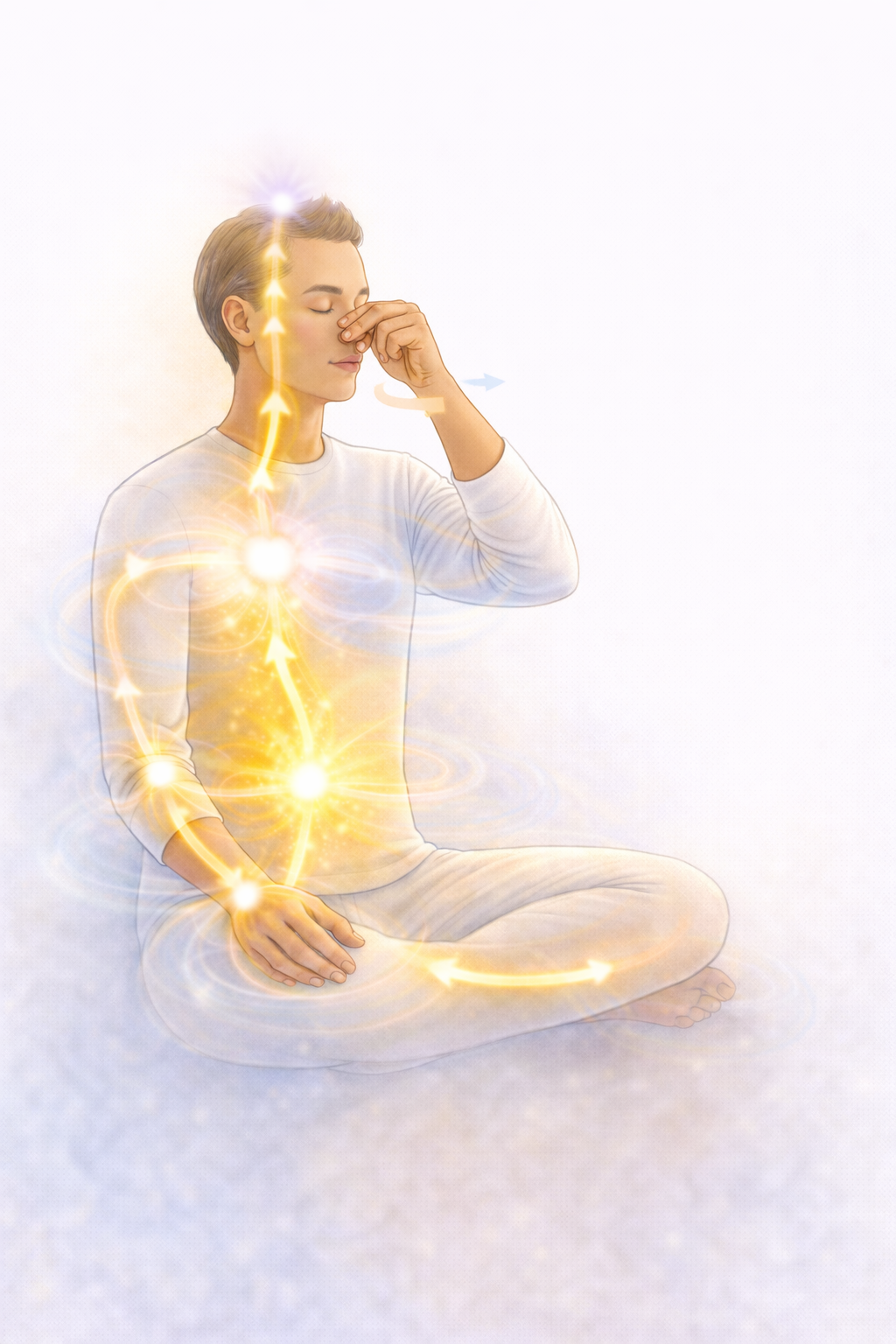
When we pair pranayama with body therapies, it tends to deepen the results. Before treatments, gentle breath regulation helps the body soften its protective holding patterns. During treatments, breathing awareness supports a more complete downshift into parasympathetic tone. Afterward, a few minutes of calm breathing helps “seal in” that regulated state so you carry the benefit into your day rather than snapping back into rush mode on the drive home.
On an Ayurvedic level, pranayama can also be thought of as supportive for agni, not because it replaces dietary work, but because it reduces the stress signals that commonly disturb digestion. When the nervous system is constantly braced, agni often becomes irregular. A steadier breath helps create steadier signals. Many clients notice they feel less tightness in the solar plexus, less shallow “upper chest” breathing after meals, and fewer stress-driven digestive swings when they practice consistently.
Finally, pranayama supports clarity, which is why it’s such a natural adjunct to a long-term Ayurvedic program. As the mind settles, it becomes easier to notice what actually helps and what doesn’t. You become more sensitive to early signals: fatigue before burnout, hunger before irritability, tension before headaches. That awareness is powerful because it helps you make small course corrections early, instead of needing big resets later.
In other words, pranayama is not a separate “extra thing.” It’s a foundational skill.
It helps you receive your treatments more deeply.
It helps you implement your plan more consistently.
It helps your nervous system become an ally in the healing process.
Sympathetic to Parasympathetic, Why it Matters
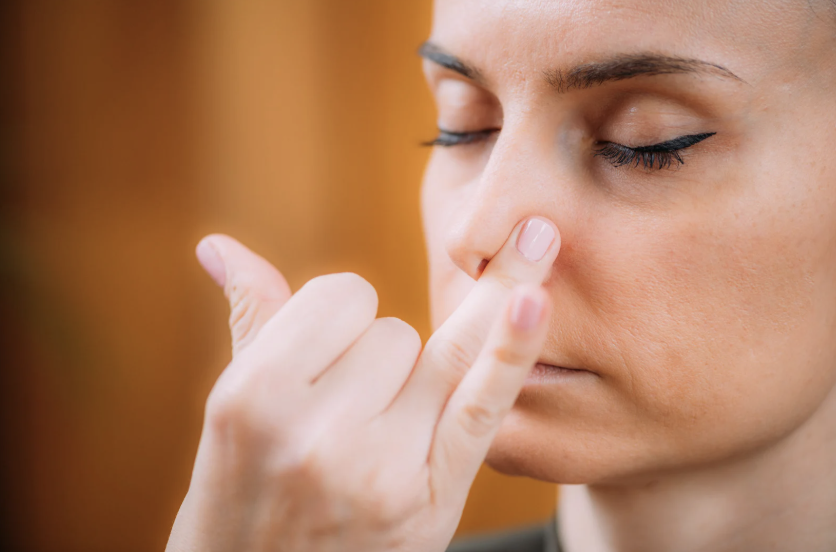
When someone has been living in sympathetic mode (rush, vigilance, always “on”), the body prioritizes output and protection.
Breathing often becomes shallow.
The chest and belly brace.
The mind stays busy and scanning.
Pranayama trains the recovery side of the system.
Slow, comfortable breathing, especially with a longer exhale, can cue parasympathetic tone. That internal environment supports deeper sleep, steadier digestion, tissue repair, and emotional resilience.
The goal is not to be relaxed all the time.
The goal is nervous system flexibility: mobilize when needed, then truly recover.
What Doctors & Researchers are Seeing
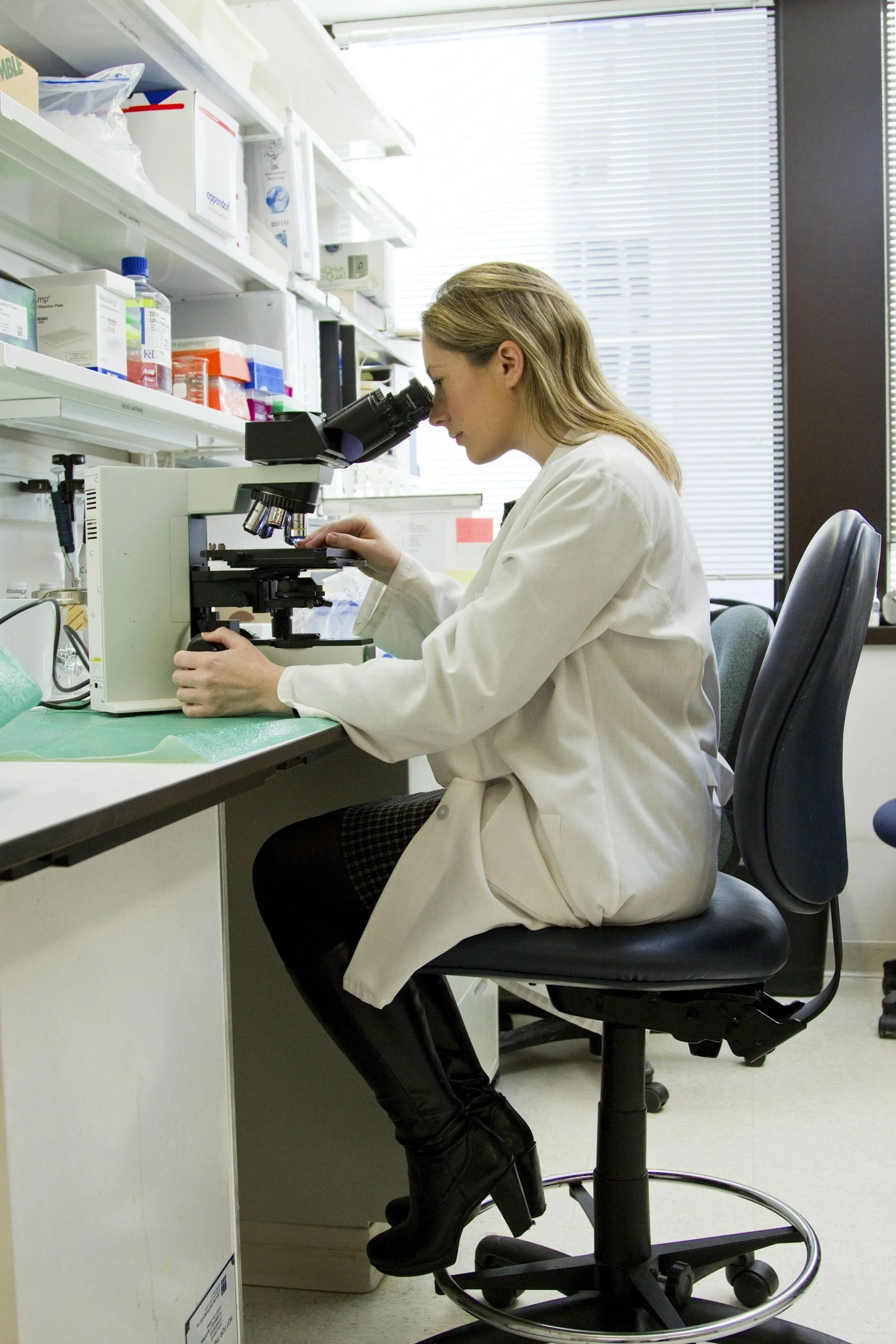
Breathing research is broad and growing. The strongest evidence tends to support breath training as a low-cost, low-risk adjunct for nervous system regulation.
Slow breathing and HRV: Large systematic reviews and meta-analyses show that voluntary slow breathing can increase vagally mediated heart rate variability, a common marker used to understand parasympathetic activity and regulation capacity.
Breathing exercises and blood pressure: Meta-analyses of randomized trials report modest average reductions in blood pressure and heart rate from breathing exercises, especially when practiced consistently.
Regulated breathing for stress and anxiety: Systematic reviews of clinical trials suggest many regulated breathing methods can improve self-reported stress and anxiety, while also noting that results can vary by technique, dosing, and population.
What this means in practice: pranayama is not a replacement for medical care, but it is a legitimate lever. When it’s gentle, consistent, and well matched to the person, it often improves day-to-day capacity.
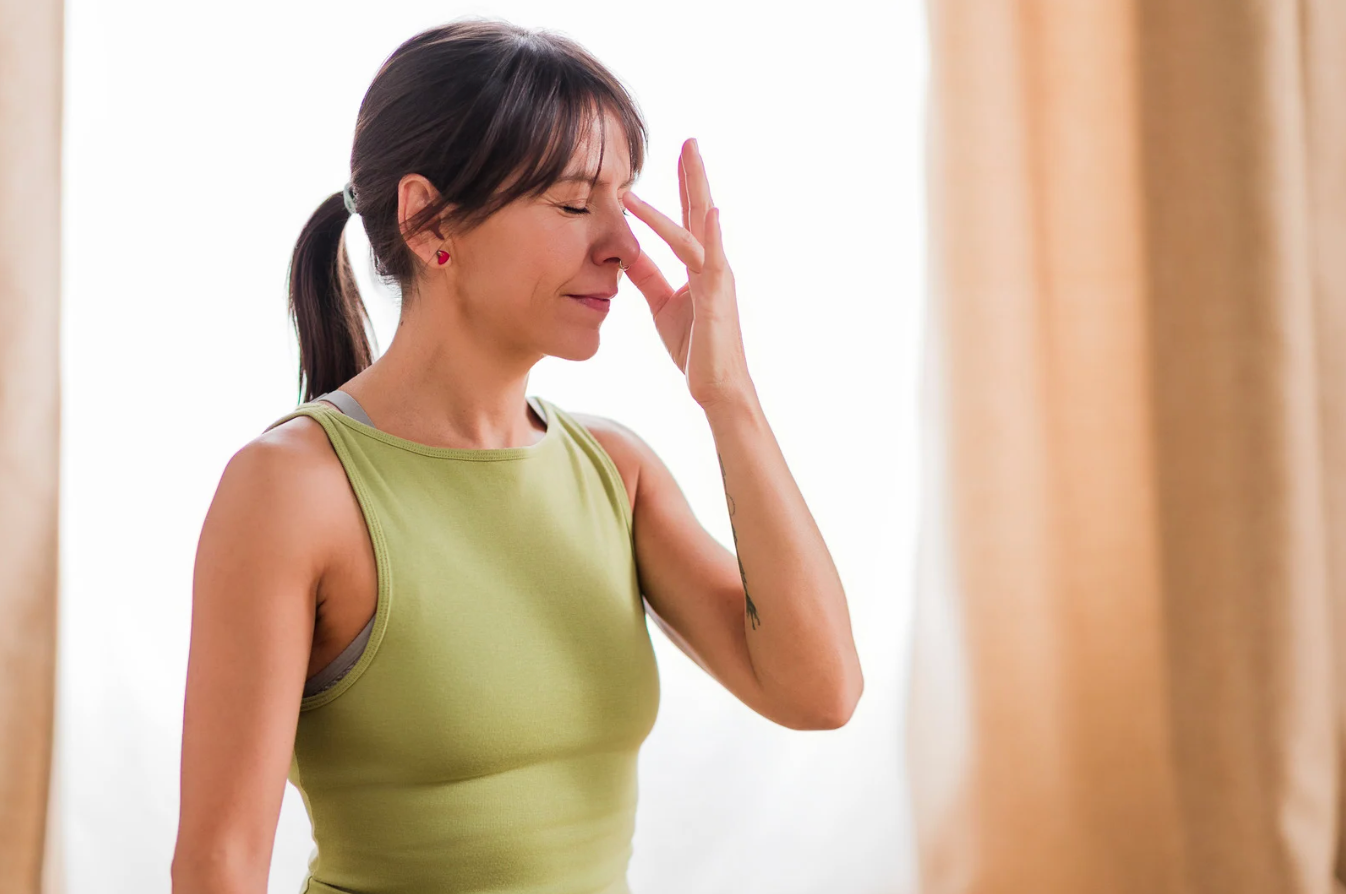
References (as listed on-page)
Slow breathing and HRV
• PubMed 35623448
Breathing exercises and blood pressure
• PubMed 38179185
• PMC 10765252
Regulated breathing for stress and anxiety (systematic review)
• PMC 10741869
Pranayama in mental health populations (systematic review/meta-analysis)
• PubMed 40896223
• PMC 12392162
Alternate nostril breathing and HRV (study examples)
• PMC 3276936
• PMC 4740589
Breathwork (Pranayama) FAQ’s
-
Try to arrive hydrated and avoid coming in very hungry or very full. A light meal one to three hours before is usually ideal. Wear comfortable clothing that doesn’t restrict the ribs or belly.
-
That’s more common than people realize, and it’s workable. We can keep eyes open, use grounding cues, and choose techniques that feel stabilizing, such as longer exhales or humming breath. Nothing is forced.
-
No. This is therapeutic pranayama focused on calm regulation. We avoid pushing, strain, or “breath racing.”
-
Yes. To arrange a stand-alone breathwork session in Kailua, contact the clinic to confirm the session format, length, pricing, and availability.
Call (808) 749-2311 or text us. Pranayama can also be included in your care plan after an Ayurvedic assessment.
-
Many clients find that calming pranayama helps them fall asleep more easily and reduces “tired but wired” patterns. We can give you a short bedtime protocol that is easy to repeat at home.
-
Often yes, but we tailor carefully. Let us know your history ahead of time. We keep practices gentle and avoid techniques that can be overly activating.
If any technique feels dizzying, activating, or uncomfortable, we stop and adjust immediately. If your situation requires medical oversight first, we’ll tell you.
-
Yes. Forceful breathing and breath retention are not appropriate for everyone.
Please tell us if you have: uncontrolled high blood pressure, heart rhythm concerns, seizure history, glaucoma/retinal issues, recent concussion, pregnancy, COPD, or frequent panic attacks. We will modify your session so it is safe and supportive, or help you choose a different service if needed.